Skip to content
  • Home
  • Books
  • Blog
  • Recipes
  • Self Sufficiency
  • Sourdough
  • Cheesemaking
  • Newsletter

The Nourishing Hearthfire

/

How to grow parsley for self sufficiency

Home » Self Sufficiency & Homesteading

katedownham

·

Oct 6, 2026

·

Self Sufficiency & Homesteading, All blog posts
flat leaf parsley growing in a wooden raised garden bed

Table of Contents

  • Why grow parsley?
  • The difference between flat leaf parsley and curly leaf parsley
  • How to grow parsley from seed
    • When to plant parsley
    • How much parsley to plant
    • How to save seed from parsley
    • Can I start parsley indoors in trays?
    • Can I grow parsley in a pot on a balcony or courtyard?

Why grow parsley?

Parsley is highly nutritious, with high amounts of iron, potassium, and other nutrients, and it tastes great. Use it in chimichurri, German one pot stew, in salads, and chopped and sprinkled on potato dishes, eggs, burgers, and all kinds of meals.

Like any fresh herb, parsley is best used as fresh as possible, so by growing your own, even if you only have a small garden, you can grow the most delicious and nutritious parsley.

The difference between flat leaf parsley and curly leaf parsley

Flat leaf parsley is the superior type to grow for use in cooking – it has more flavour and holds onto its flavour better when cooked. Flat leaf parsley is also easier to grow than curly leaf parsley, and has a better texture when you want to use a lot of parsley in salad or other dishes.

How to grow parsley from seed

  1. Make furrows in the soil, around 1 inch (2.5cm) deep, spaced 1 foot (30cm) apart. Every 6” to 12″ (15 to 30cm) apart, sprinkle 3 or 4 seeds of flat leaf parsley in a clump and gently pat down, to get them in contact with the soil. 
  2. Lightly sprinkle the furrow back on top of the seeds.
  3. Gently water it in, then make sure to water every day in dry weather, just enough to keep the soil moist, not so much that you are drowning the seeds.
  4. Leave the parsley to grow until big enough to start harvesting, then simply harvest sprigs as you need them and leave the plant to regrow. Cultivate around the plants if there are weeds coming up.

In climates with mild winters (USDA zone 7 and warmer), parsley has a biennial growing habit, so next spring, when they bolt to seed, let them set seed – the flowers are great for attracting beneficial insects to your garden, it’s so good to have parsley self-seed and pop up in unexpected places around the garden, and any seeds you save from your own plants will be uniquely adapted to the conditions in your garden.

If you live in a colder climate, you may be able to overwinter parsley for seed saving with row cover, cloches, greenhouses, or heavy mulch in climates as cold as USDA zone 5.

When to plant parsley

For best results, avoid sowing in cold weather and in hot, dry weather. In our mild climate I get the best results planting parsley anywhere in the second and third months of spring or the first month of summer. Any time of year when you would normally sow carrots is probably a good time to plant parsley.

How much parsley to plant

In fertile soil, plant at least 2 feet (60cm) of row per family member. I think I’ll double this next time around. If your soil is not great, your parsley won’t grow as big, so plant more of it.

How to save seed from parsley

In climates with mild winters, parsley will flower around 9-12 months after sowing, if you started it in spring or early summer. To save seed, simply leave the flowers to mature into seed, and then leave the seedheads to fully dry out. Shake the dry seedheads over a table to release the seeds.

If you’re in any doubt about them being dry enough, place on a piece of paper and allow to air-dry indoors for a few days. If you’re satisfied that they are dry enough to store, store in airtight jars or buckets.

Can I start parsley indoors in trays?

You can start parsley indoors as seedlings or plant starts if you have to, just be careful not to damage the root system when you are transplanting it. Plant seeds 1” deep in flats, small plug trays, or soil blocks, and plant them out as soon as possible after their first set of true leaves have grown.

Can I grow parsley in a pot on a balcony or courtyard?

Yes, parsley will grow well in pots. For best results, choose a pot at least 1 foot (30cm) deep, don’t overcrowd it, and make sure to keep it well watered in dry weather.

text: how to grow parsley, with flat leaf parsley below


Want more posts like this?

Join The Nourishing Hearthfire for real food recipes, traditional skills, and monthly inspiration for your hearth and homestead.

    Built with Kit

    We respect your inbox. Unsubscribe anytime.

    • Share using Native toolsShareCopied to clipboard
    Kate Downham off grid homesteader

    About Kate Downham

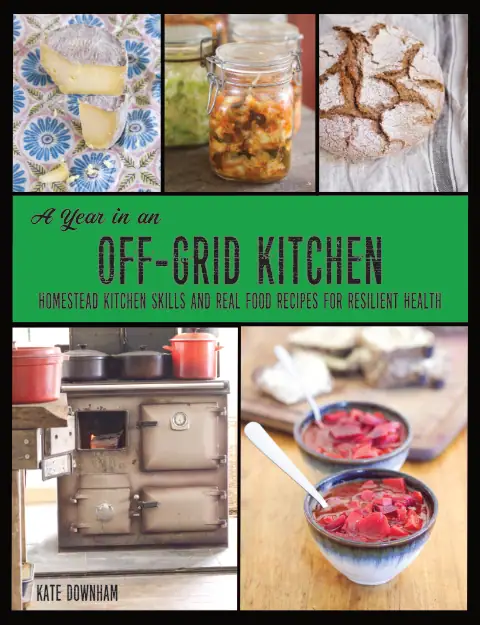
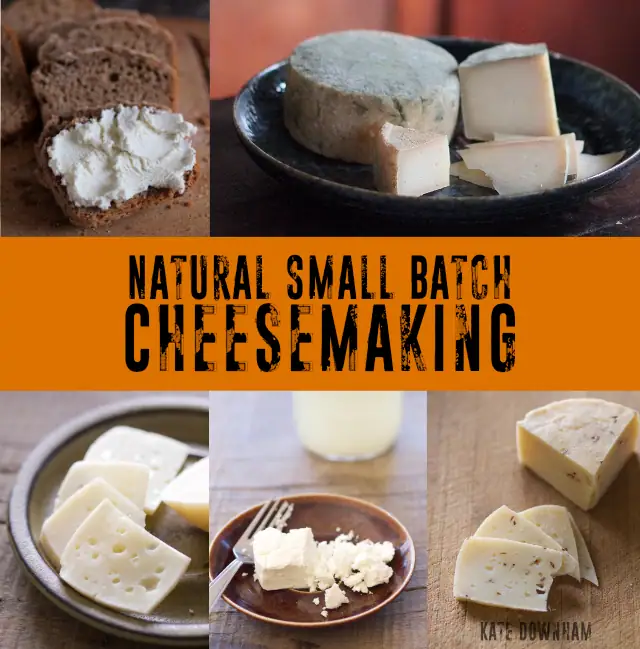
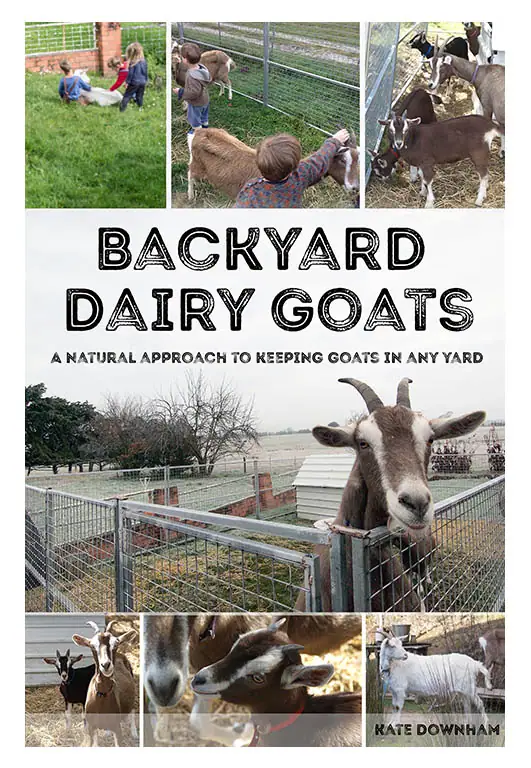
    Kate Downham has been growing, preserving, and cooking real food since 2007. She is the author of four books on homestead skills: A Year in an Off-Grid Kitchen, Natural Small Batch Cheesemaking, Backyard Dairy Goats, and Sourdough Without Fail.

    Off-grid with her family of nine in the Tasmanian forest, Kate milks her own goats, makes all their cheese, mills all her own grain, and bakes fresh sourdough bread daily.


    Learn more about Kate’s books →

    Related posts

    • Peas
    • How to Make Butter Without any Special Equipment
    • Backyard Dairy Goats: A Natural Approach to Keeping Goats in any Yard

    Leave a Reply Cancel reply

    Your email address will not be published. Required fields are marked *

    Recipe Rating


    8 different homesteading ebook covers

    My books

    Sourdough without fail: 100% whole grain sourdough breads, pizza, and pastries for any kitchen fresh milled flour sourdough book cover
    a year in an off grid kitchen by kate downham off grid homesteading book cover
    natural small batch cheesemaking natural cheesemaking book cover
    backyard dairy goats homesteading book cover

    More Resources for Off-Grid Living

    off grid solar dehydrator
    garden master course
    diy wood fired pizza oven
    the $50 and up underground house
    natural swimming pools

    Categories

    • All blog posts
    • Homestead Recipes
    • Natural Cheesemaking
    • Self Sufficiency & Homesteading
    • Whole Grain Sourdough Baking

    Recent Posts

    • How to grow parsley for self sufficiencyOctober 6, 2026
    • Parsley Chimichurri from the GardenOctober 1, 2026
    • How to Make Cheddar CheeseSeptember 29, 2026
    • How to choose a home grain millSeptember 21, 2026
    • Cheesy sauce for pasta (healthy mac & cheese recipe)September 17, 2026

    The Nourishing Hearthfire is reader-supported and mostly ad-free

    Buy me a coffee

    Search

    • Home
    • Books
    • Blog
    • Recipes
    • Self Sufficiency
    • Sourdough
    • Cheesemaking
    • Newsletter

    © 2026 Kate Downham – The Nourishing Hearthfire. This blog is licensed under a Creative Commons Attribution-NonCommercial-ShareAlike 4.0 International License.


    Affiliate disclosure: Sometimes I share affiliate links, including Amazon Associate links to books and kitchen stuff that I recommend. When someone clicks and buys through these links, I earn a commission at no cost to you.

    Join The Nourishing Hearthfire mailing list for thoughtful monthly emails and free ebooks
    Find us on forums and social media

    Permies: Permaculture and Homesteading Forums

    Instagram

    Facebook

    X

    Pinterest

    About

    Contact

    Privacy Policy

    Terms and Disclaimer

    The Nourishing Hearthfire