
/
/

It can be hard to figure out the right amount of different fresh herbs to plant – I seem to focus a lot on calorie crops like potatoes and carrots, while ignoring those small things that bring joy to the kitchen.
Parsley is one of those herbs that it can be hard to get right. Parsley grows best from seed, and the seedbed needs to be kept moist for two to three weeks until it’s sprouted. In less fertile soils, without much irrigation, it doesn’t grow very big, so you need to plant a lot more of it, but in recent years, I’ve been planting it in some of our best soil, and it grows beautifully and brings a smile to my face.

I like to grow the flat-leaf Italian parsley. This is stronger in flavour than the curly-leaf parsley, easier to grow, and easier to use in cooking.
This season I’ll aim to grow much more of it, and then just enjoy summer salads where parsley gets treated as a salad green along with other random salads and weeds from the garden, put huge amounts of parsley in German one pot beef and vegetable stew and just sprinkle parsley on lots of things all through the year.
Last season I managed to grow a decent amount of parsley and not use much of it over the winter, and now it’s bolting to seed! At the same time, I’m craving leafy green foods and lots and lots of parsley, and got the idea in my head that some kind of parsley-based condiment from Argentina existed, called chimichurri, and that it would be a good idea to try making it…

Most recipes for chimichurri have oregano or coriander (cilantro) in them as well as the parsley. I thought I’d try making chimichurri with pure parsley and I was not disappointed! I haven’t tried the recipes that use other herbs, but this one, made from fresh garden parsley, is not lacking in anything.
You can make this chimichurri in a number of ways:

1 large bunch flat-leaf parsley (as many stems as you can stuff into your hand)
1 small handful green garlic or garlic scapes, or 5 cloves garlic
3 Tablespoons apple cider vinegar, overfermented kombucha, or lemon juice
8 to 10 Tablespoons olive oil
1 teaspoon salt
1/2 to 1 teaspoon red pepper flakes (or fresh chilli)
Finely chop the parsley and garlic and add these to a bowl.
Mix through the vinegar, olive oil, salt, and red pepper flakes. Taste and add any extra vinegar or salt if it needs it, or make it a bit more saucy by adding extra oil and vinegar.
Serve right away, or the next day, or pack into a jar, cover with a layer of oil, and store, covered, at fridge temperatures for a few days.
Serve chimichurri on the side of steak, burgers, hard boiled eggs, fried eggs, and egg dishes of all kinds, as a dip with flatbread, and just pretty much anywhere! Use it as a sandwich ingredient, mix it through cooked grains such as rice or pot barley as a kind of grain salad, or mix it through some cooked whole lentils or chickpeas.


Join The Nourishing Hearthfire for real food recipes, traditional skills, and monthly inspiration for your hearth and homestead.
We respect your inbox. Unsubscribe anytime.

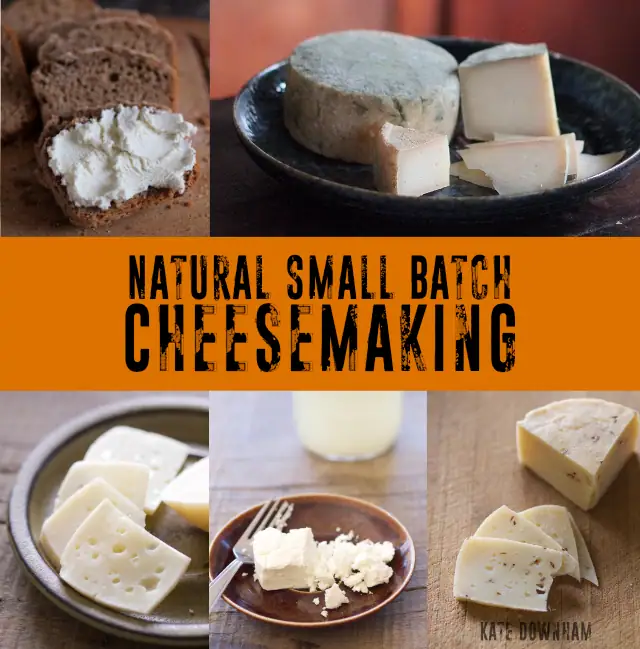
Kate Downham has been growing, preserving, and cooking real food since 2007. She is the author of four books on homestead skills: A Year in an Off-Grid Kitchen, Natural Small Batch Cheesemaking, Backyard Dairy Goats, and Sourdough Without Fail.
Off-grid with her family of nine in the Tasmanian forest, Kate milks her own goats, makes all their cheese, mills all her own grain, and bakes fresh sourdough bread daily.


Zesty and delicious










The Nourishing Hearthfire is reader-supported and mostly ad-free
Leave a Reply