Skip to content
  • Home
  • Books
  • Blog
  • Recipes
  • Self Sufficiency
  • Sourdough
  • Cheesemaking
  • Free Resources

The Nourishing Hearthfire

/

Easy Leftover Vegetable or Meat Pasties (Savoury Hand Pies Recipe)

Home » Homestead Recipes

katedownham

·

Jun 13, 2026

·

Homestead Recipes, All blog posts
Text overlay: flexible and adaptable pasties or savoury hand pies, use up leftovers and garden vegetables in these delicious pasties. photo of whole grain sourdough pasties ready to eat.
Jump to Recipe

Why make these versatile pasties (or savoury hand pies)?

Pasties are a great way to take whatever vegetables, meat, and cheese that need using and turn it into a tasty meal. (Stir fry is another good way to do this).

Flexible recipes like this are great to have on hand if you have a few bits and pieces from the garden to use up, if you’re trying to rely on as much homegrown food as possible and want to work with what you have, or if you’re trying to clean out the fridge.

The whole grain sourdough pie crust that I use for these is so tasty, easily digested, and easy to make, but you can use any kind of homemade pastry that you’d use for savoury pies.

Filling ideas for meat or vegetarian hand pies

Meat options

These pasties can be made from any kind of leftover roast meat, ground beef, or no meat at all. You can use leftover cooked vegetables, or raw vegetables.

When working with leftover meat, firstly think about any spices or herbs you have used on the meat, and what might compliment that. Onions or leeks are always a good thing to add, along with any kind of root vegetable or cooking greens.

The key to making really excellent pasties from whatever meat and vegetables need using up is to taste the mixture towards the end of cooking and decide if it needs anything extra: usually they will need a dash more salt, but you can add any flavour that seems right – spices, herbs, leftover gravy, tomato sauceanything!

Vegetarian options

Use any combination of cheeses you like (feta goes very well in meat-free pasties). Taste your pasty filling and decide at the least minute which kind of herbs and spices would work in it – feel free to use curry spices, caraway, Italian, herbs, or any other flavouring.

More filling ideas

Diced vegetables are really lovely with all kinds of meat. Use leftover gravy, tomatoes, or a dash of broth, and feel free to add any fresh herbs you like, or some curry spices.

For vegetarian pasties, the classic feta cheese with greens combination works beautifully, or a mix of ricotta and hard cheese with any kind of vegetable. Feel free to add in some cooked chickpeas or other legumes and play around with spices. I really like adding some caraway seeds to these, but curry spices and all kinds of fresh herbs go well too.

pasties or savoury hand pies with sourdough pastry made from feta, mozzarella, zucchini, leek, and greens cut in half

How to serve pasties

Pasties can be served hot or cold and are a perfect year-round staple homestead meal. Feel free to make some the day beforehand and serve them cold for a picnic or shared lunch at any time of the year, or serve them straight from of the oven on a cold day.

Pasties are great served on their own, but I like to serve them with some fermented vegetables or salad on the side, often with a little relish, chutney, or sauce on top.

Pasties (Savoury hand pies) recipe

Ingredients

• Your favourite pie crust dough (1 double crust worth of dough will make 4 to 6 pasties – which will serve around 2 people for a meal, or more for a snack. Double or halve your pie crust recipe to serve more or less people). I use the sourdough pie crust from my free sourdough discard recipe ebook.

• Onions or leeks – around 1 large onion for every 4 people.

• Optional meat – either ground meat/mince, chopped leftover roast, leftover pulled pork, anything. Use whatever you’d normally use in a meal, or use less and add some cheese as well.

• Vegetables of your choice – either fresh or leftover cooked ones, such as carrot, parsnip, turnip, swede/rutabaga, zucchini, pumpkin/winter squash, kale, silverbeet, other leafy greens.

• Optional cheese of your choice (use lots of this if you’re not using much meat)

Method

Make your favourite pie crust dough and get it resting in a cool place while you make the filling.

Sauté some onions or leeks in tallow until tender and fragrant. If you’re using meat, add this straight after the onions. Throw in whatever vegetables you are using and continue to cook while stirring until they soften. Stir through some greens, if using, then allow the mixture to cool down a bit. Add a little salt, to taste, but go easy on it if you’ll be adding cheese later, as this will add some salt of its own.

If you’re making meat-free pasties, add feta cheese or ricotta and crumble it up into lots of small pieces. When it’s cooled a bit more, stir through some optional grated mozzarella or hard cheese, and herbs or spices of your choice. If the mixture seems really dry, you can add some egg or a dash of leftover gravy or tomatoes, but you don’t want it to be swimming in sauce.

Preheat the oven to around 200ºC (400ºF).

Divide your pastry dough into as many pasties as you’ll be making. Roll each one out into a circle and transfer the circles to a floured cookie sheet. Add the filling to each circle, seal, then prick with a fork a few times to allow steam to escape.

Bake for around 30 minutes, or until the pastry is starting to brown at the edges.

I often make these with kale, feta, and caraway seeds. Or with beef mince and root vegetables. The ones in the photo are made from a mix of onion, zucchini, dandelion greens, feta, and mozzarella. You can use leftover roast meat, any kind of vegetable, and mix through leftover gravies and sauces too.

Serve on their own, or with some relish, sauce, or chutney.

rolling out fresh milled flour sourdough pie crust for pasties
filling pasties
filling with filled pasties
filling pasties
folding pasties
sealing pasties
pasties on tray, ready to eat
Kate Downham

Pasties or Savoury Hand Pies

Use your leftovers and abundant garden vegetables in these delicious homemade pasties
Print Recipe Pin Recipe
Prep Time 15 minutes mins
Cook Time 40 minutes mins
Servings: 4 people
Course: Main Course, Snack
Ingredients Equipment Method

Ingredients
  

  • 2 double crust batch your favourite pie crust dough
  • 1 large onion or use leeks instead
  • optional meat – either leftover or fresh Use as much as you'd normally use in a meal
  • vegetables of your choice Use fresh or leftover cooked ones such as parsnip, swede (rutabaga), turnip, carrot, potato, zucchini, winter squash, kale, silverbeet, mustard greens, cauliflower
  • optional cheese of your choice use ricotta or feta instead of meat, or add any of your favourite cheeses to a meat or vegetable pasty
  • optional herbs and spices of your choice

Equipment

  • 1 rolling pin or glass bottle
  • 2 cookie sheets 1 cookie sheet per 4-6 pasties

Method
 

  1. Make your favourite pie crust dough and get it resting in a cool place while you make the filling.
  2. Sauté some onions or leeks in tallow until tender and fragrant. If you’re using meat, add this straight after the onions. Throw in whatever vegetables you are using and continue to cook while stirring until they soften. Stir through some greens, if using, then allow the mixture to cool down a bit. Add a little salt, to taste, but go easy on it if you’ll be adding cheese later, as this will add some salt of its own. Feel free to add any herbs or spices that you like
  3. If you’re making meat-free pasties, add feta cheese or ricotta and crumble it up into lots of small pieces. When it’s cooled a bit more, stir through some optional grated mozzarella or hard cheese, and herbs or spices of your choice. If the mixture seems really dry, you can add some egg or a dash of leftover gravy or tomatoes, but you don’t want it to be swimming in sauce.
  4. Preheat the oven to around 200ºC (400ºF).
  5. Divide your dough into as many pasties as you’ll be making. Roll each one out into a circle and transfer the circles to a floured cookie sheet. Add the filling to each circle, seal, then prick with a fork a few times to allow steam to escape.
  6. Bake for around 30 minutes, or until the pastry is starting to brown at the edges.
  7. Serve on their own, or with some relish, sauce, or chutney.

Frequently Asked Questions

What are pasties?

Pasties (or savoury hand pies) are portable, sealed pastries filled with a savoury mix of meat, vegetables, and/or cheese. They’re perfect for homestead meals, picnics, or turning random ingredients into a proper meal.

What dough do I use?

I use my whole grain sourdough pie crust (the one from my free sourdough discard ebook) because it’s tasty and easy to digest. You can use any homemade savoury pie pastry. One double-crust batch of dough usually makes 4–6 pasties (serve 2 to 3 pasties per hungry adult for a meal, or less if it’s a snack).

What fillings work well?
  • Meat versions: Leftover roast, ground/mince meat, pulled pork, plus onions or leeks, root vegetables, and greens. Match the herbs/spices to whatever was used on the meat.
  • Vegetarian versions: Plenty of cheese (feta and ricotta are excellent), greens, other vegetables, and optional legumes like chickpeas. Add grated hard cheese or mozzarella too.
  • Flavour ideas: Caraway seeds, curry spices, Italian herbs, fresh garden herbs, leftover gravy, or tomatoes.

My favourites include kale + feta + caraway, beef mince + root vegetables, or onion + zucchini + dandelion greens + feta + mozzarella.

How do I make the filling?
  1. Sauté onions or leeks in tallow (or your preferred fat) until tender.
  2. Add meat (if using), then vegetables and cook until softened. Stir in greens near the end.
  3. Let the mixture cool a bit. Add cheese, herbs, spices, and a little moisture (egg, gravy, or tomatoes) if needed — but don’t make it saucy.
  4. Taste and adjust seasoning (usually a bit more salt, but go easy if using cheese).
Full method and timing?

Prep: 15 minutes Cook: ~40 minutes Servings: 4 (makes 4–6 pasties)

  1. Make and rest your pie dough while preparing the filling.
  2. Cook the filling and let it cool slightly.
  3. Preheat oven to 200°C / 400°F.
  4. Divide dough, roll into circles on a floured cookie sheet, add filling, seal edges well, and prick with a fork.
  5. Bake for about 30 minutes until golden at the edges.
Can I make them ahead?

Yes — they are delicious hot or cold. I often make them the day before for picnics or lunches.

How do you serve them?

On their own or with fermented vegetables, salad, relish, chutney, or sauce. They’re great hot straight from the oven on cold days or cold for a picnic lunch.

Any tips for best results?
  • Ideally, cool the filling to room temperature before sealing so the pastry doesn’t get soggy.
  • Don’t overfill — leave enough room to seal the edges properly.
  • Use plenty of cheese in vegetarian versions.
  • Be flexible with quantities — use whatever you have. If you end up withe excess pastry, you can always use it make some sweet pasties with apples or berries.
What equipment do I need?

A rolling pin (or glass bottle), 1–2 cookie sheets, and a fork for pricking. Bake on floured cookie sheets.

Like this:

Like Loading…
  • Share using Native toolsShareCopied to clipboard
Kate Downham off grid homesteader

About Kate Downham

Kate Downham has been growing, preserving, and cooking real food since 2007. She is the author of four books on homestead skills: A Year in an Off-Grid Kitchen, Natural Small Batch Cheesemaking, Backyard Dairy Goats, and Sourdough Without Fail.

Off-grid with her family of nine in the Tasmanian forest, Kate milks her own goats, makes all their cheese, mills all her own grain, and bakes fresh sourdough bread daily.

Learn more about Kate’s books →

Related posts

  • Best Ever Beef Burgers
  • German one pot beef and vegetable stew
  • The best way to make stir fry

Leave a Reply Cancel reply

Your email address will not be published. Required fields are marked *

Recipe Rating


8 different homesteading ebook covers

My books

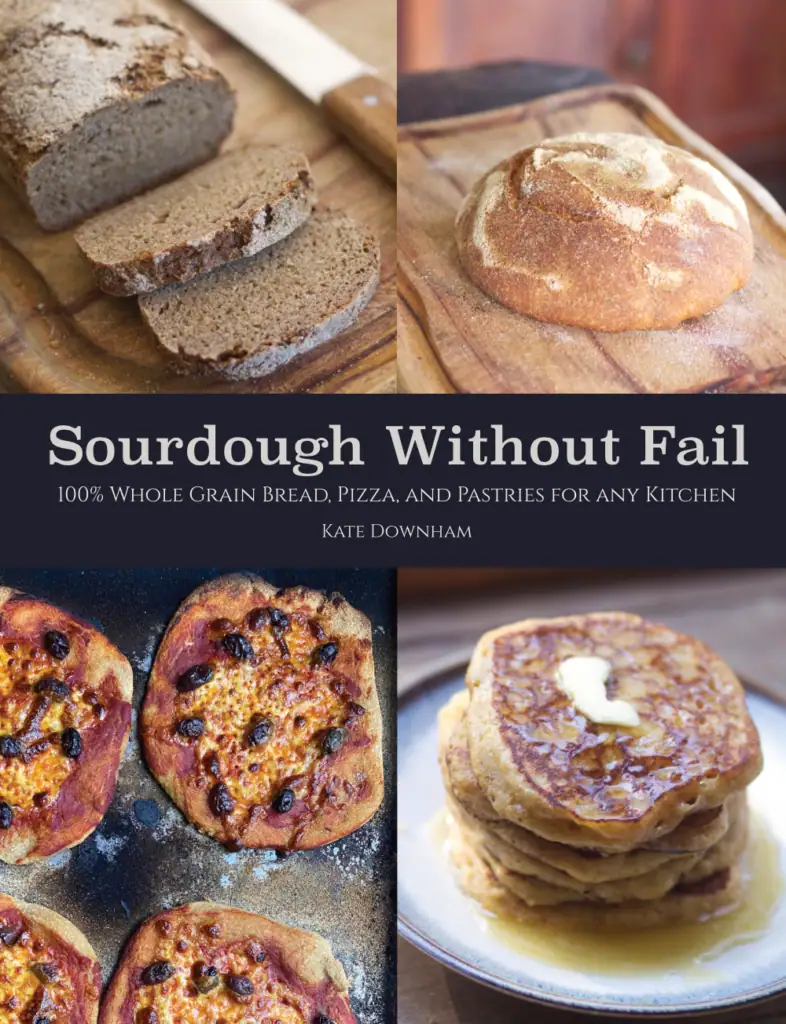
Sourdough without fail: 100% whole grain sourdough breads, pizza, and pastries for any kitchen fresh milled flour sourdough book cover
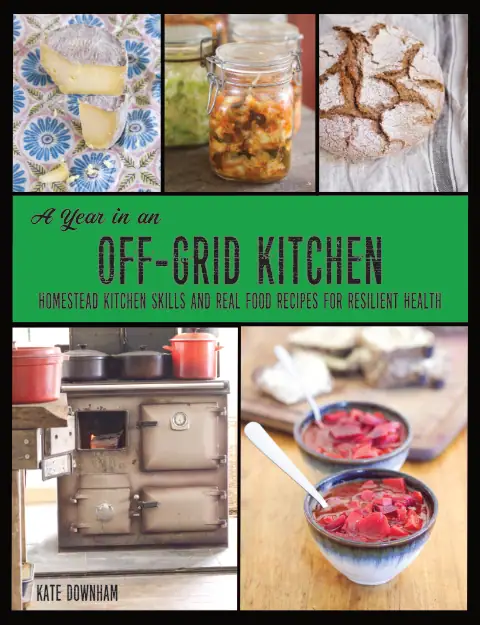
a year in an off grid kitchen by kate downham off grid homesteading book cover
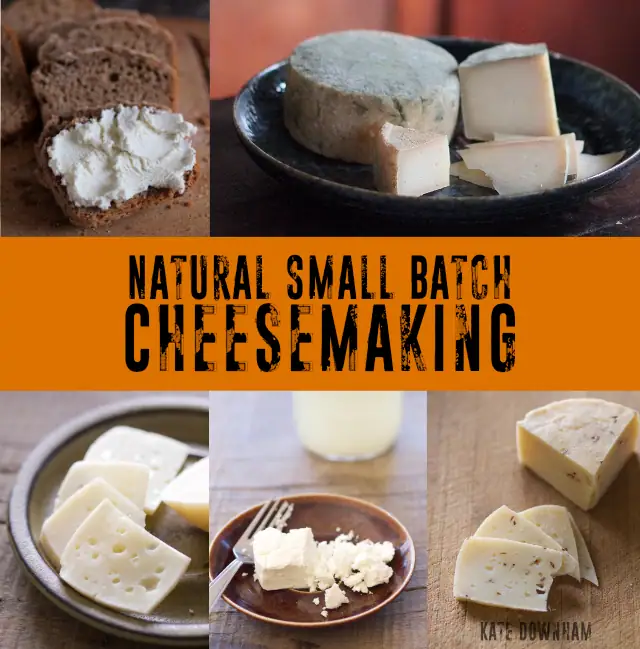
natural small batch cheesemaking natural cheesemaking book cover
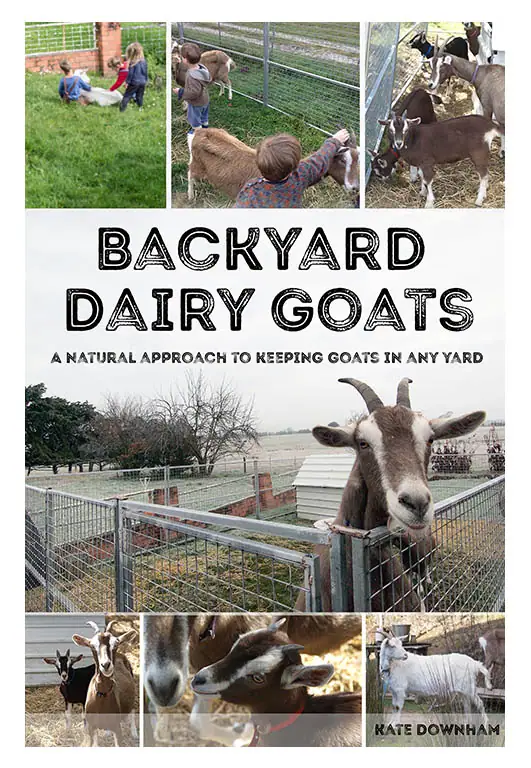
backyard dairy goats homesteading book cover

More Resources for Off-Grid Living

off grid solar dehydrator
garden master course
diy wood fired pizza oven
the $50 and up underground house
natural swimming pools

Categories

  • All blog posts
  • Homestead Recipes
  • Natural Cheesemaking
  • Self Sufficiency & Homesteading
  • Whole Grain Sourdough Baking

Recent Posts

  • Easy Leftover Vegetable or Meat Pasties (Savoury Hand Pies Recipe)June 13, 2026
  • Magic Overnight Sourdough Pizza Dough Recipe with Fresh Milled FlourMay 26, 2026
  • Cooking year-round on a wood cookstove: the dream, the reality, and the practicalities of relying on our own firewood and being off the gas gridMay 20, 2026
  • 100% Whole Grain Fresh Milled Flour Sourdough Bread for Beginners: A Step-by-Step GuideMay 4, 2026
  • Easy 100% Whole Grain Sourdough Cinnamon Raisin Bread (honey-sweetened, and works with fresh milled flour & ancient grains)May 4, 2026

The Nourishing Hearthfire is reader-supported and mostly ad-free

Buy me a coffee

Search

  • Home
  • Books
  • Blog
  • Recipes
  • Self Sufficiency
  • Sourdough
  • Cheesemaking
  • Free Homestead Resources

© 2026 Kate Downham – The Nourishing Hearthfire. This blog is licensed under a Creative Commons Attribution-NonCommercial-ShareAlike 4.0 International License.

Join The Nourishing Hearthfire mailing list for thoughtful monthly emails and free ebooks
Find us on forums and social media

Permies: Permaculture and Homesteading Forums

Instagram

Facebook

X

Goodreads

About

Contact

Privacy Policy

Terms and Disclaimer

The Nourishing Hearthfire

%d