The Nourishing Hearthfire

/
/

Does cooking from scratch all the time have to be difficult?
A lot of people are coming from different backgrounds and wondering how to cook from scratch like our ancestors did. I see other people say that it’s only possible if you spend all day in the kitchen, but it doesn’t have to be that way at all.
When Ma Ingalls had a hard day in Little House on the Prairie, she didn’t have the option of going to the supermarket for a rotisserie chicken. She didn’t cook three course gourmet meals every day either. Cooking from scratch was a necessity back then, and with the right strategies and mindset, it’s possible to cook from scratch all the time today without spending all day in the kitchen.
The modern world places a lot of expectations on us – every time we open a computer screen or go into a town, we’re surrounded by messages telling us to consume, consume, consume, try this or that latest thing, obsess over cooking or baking to try and be like the celebrity chefs, when all that we really need from food is nourishment, and providing that nourishment can be pretty simple.
In this post I’m going to be looking at a few strategies I use that make it easier to cook from scratch all the time. You can apply these strategies whether you’re trying to cook 100% from scratch, or if you’re simply trying to cook more homemade food.

Imagine you’ve spent a couple of hours in autumn making a years’ supply of kimchi or some pickles. You then have jars of exciting foods, ready to take out at any time to brighten a meal up. Once you have these stored foods, you don’t need to scramble around preparing a special side dish if you’re in a hurry, you can just serve up some kind of protein, some kind of carbs, and some fermented or pickled food, and you have a meal.
The same principle goes for making bacon, ham, salami, cheese, bread, and so on – once you’ve made this food, and made it part of your yearly or weekly routine, you’ve got simple foods ready to go, that you can combine with other simple foods to make great simple meals: bacon and eggs, ham sandwiches, cheese with bread and chutney, toast with eggs and greens, fried rice, pizza, potatoes with bacon, barley and bacon stew, chickpea chorizo stew, and many more creative options.

The night before your meal, defrost some meat (or plan on eating eggs or cheese for protein), soak some whole grains or mix some sourdough (or plan on eating potatoes or other starchy vegetables for carbs). The next day, cook up your carbs, cook the meat, throw some green vegetables in the pan after the meat to quickly stir fry (or make a salad, or serve some ferments or pickles) and you have a minimal-effort meal that’s 100% from scratch.
This simple approach is one of the easiest ways to cook from scratch every day without stress – you don’t really need to plan ahead or think about it too much, if you’re often wondering what to make from scratch on busy nights, this method could work well for you.
You don’t need to do elaborate meal planning to have nourishing food, or to think too hard about what you’re making in advance. Having simple routines of defrosting and soaking in advance makes all the difference.
If you want to put a bit more effort into cooking, but don’t want to create a heap of dirty dishes in the process, try making more one pot stews and curries. You can either make it a truly one pot meal, with lots of potatoes or root vegetables in the stew, so that you can just serve it up in bowls as-is (maybe with some bread or sauerkraut), or make a meat curry or other meat-heavy stew and serve it over rice or potatoes.

Batch cooking from scratch is one of the most effective time-saving strategies. Make a double, triple, or quadruple batch of soup, stew, or curry You can either reheat the leftovers in the pot the next day, or freeze portions of it so that you’ll have healthy food ready to eat for extra busy times.
Cook a roast twice as big as what you’d eat, and keep the leftovers for use in sandwiches, stir fries, pies, or any meat dish.
Taking the above two strategies, you can easily plan a week’s worth of main meals without having to think much about it. Some days in the meal planning part of my planner I just put ‘meat’, and the night before on my to-do list, put ‘soak/defrost’ – this means that I have a reminder to get things soaking and defrosting at the right time, but that I can wait until the last minute to figure out exactly what I’m going to make with it – it might be burgers, or steak, or stir fry, anything.
I find it easiest to plan a week at a time. Late one week, I go to next week’s page in my planner, and jot down when we’ll be away from home, when we’re at home, and then add in meal ideas for each day, and prep work that needs to be done the night before.
Come up with a list of meals that are possible to make at home and eat when you’re out. Quiche, frittata, hard boiled eggs, pasties (hand pies), meal salads, bread with cheese, leftover roast meat, sandwiches of all kinds, soups and stews kept warm in vacuum flasks, and whatever leftovers you’d normally be happy to eat on their own.
When you’re planning the week’s meals, write down any extra prep work you need to do the day before you’ll be going out: baking extra bread, making quiche or frittata, defrosting leftover roast, or making something to quickly reheat in the morning and put in a flask.
If you know that you’ll be hungry towards the end of the day, and aren’t bringing that meal out with you, knowing that there is something quick to eat at home can make all the difference when it comes to avoiding takeaway food. The food at home doesn’t have to be particularly exciting, but if you know you have a loaf of bread or a stew to reheat when you get home, it’s much easier to avoid buying food outside the home.
Sometimes things happen and all the planning we’ve done for the day (or even the week) gets thrown out. There’s a couple of ways I deal with this:

Good planning comes into this as well: when you observe how much bread your family goes through, you can figure out how many times a week you need to bake, and what size batch of bread you’ll want to make. Choose simple recipes that fit into your existing schedule and feed up your starter or pre-ferment (levain) in advance for stress-free baking. To work out which sourdough baking schedule you can best fit into your life, see my post on sourdough timelines.
Homemade bread can replace a lot of snack foods and other processed foods. Don’t feel that because your family currently eats muesli bars, cookies, and breakfast cereals every day, that you have to recreate those exact same things at home. Bread or toast with butter is an excellent breakfast, snack, or quick meal, and it’s easier and cheaper to make than other foods. Serve your bread with honey to satisfy a sweet tooth, or with some cheese for a savoury treat.
There still can be a place for treats in a 100% from-scratch diet, but if you are feeling burnt out or overwhelmed trying to recreate everything your family eats from scratch, think about simplifying, and you can always come back and make special treats once you have a better kitchen routine underway and know you can spare the time to make them.

Children love to help in the kitchen. The pasta in my sourdough pasta and regular pasta posts was all rolled out and shaped by my children, and the pasties (hand pies) in this post were made by children too. If you think you don’t have time for fiddly stuff like pasta, pastry, and other things, ask for help from the people who most want to eat the food and you may be surprised.
Do you love to cook up a really fancy meal every so often? Or a special dessert? Or try out new recipes? Or are there take-away favourites like pizza, burgers, or fish and chips that you want to replicate at home? It’s still possible to plan for all of this while cooking everything 100% from scratch.
Finding time for the special things is more of a matter of getting into a routine of basic, staple stuff that works for your lifestyle, and then setting some extra time aside when you want to make something special. Once the low-effort systems from this article are in place, cooking from scratch all the time becomes much more realistic, even for busy people.

To Ma Ingalls and other pioneers, cooking from scratch was a necessity and not a choice that they made. In 2020, the fragility of the supermarket food system showed its true colours, and suddenly food options that people took for granted were no longer there. In the event of some other food system crisis, having a good routine of cooking from scratch will make you better prepared, as well as being good for your health and budget.

Join The Nourishing Hearthfire for real food recipes, traditional skills, and monthly inspiration for your hearth and homestead.
We respect your inbox. Unsubscribe anytime.

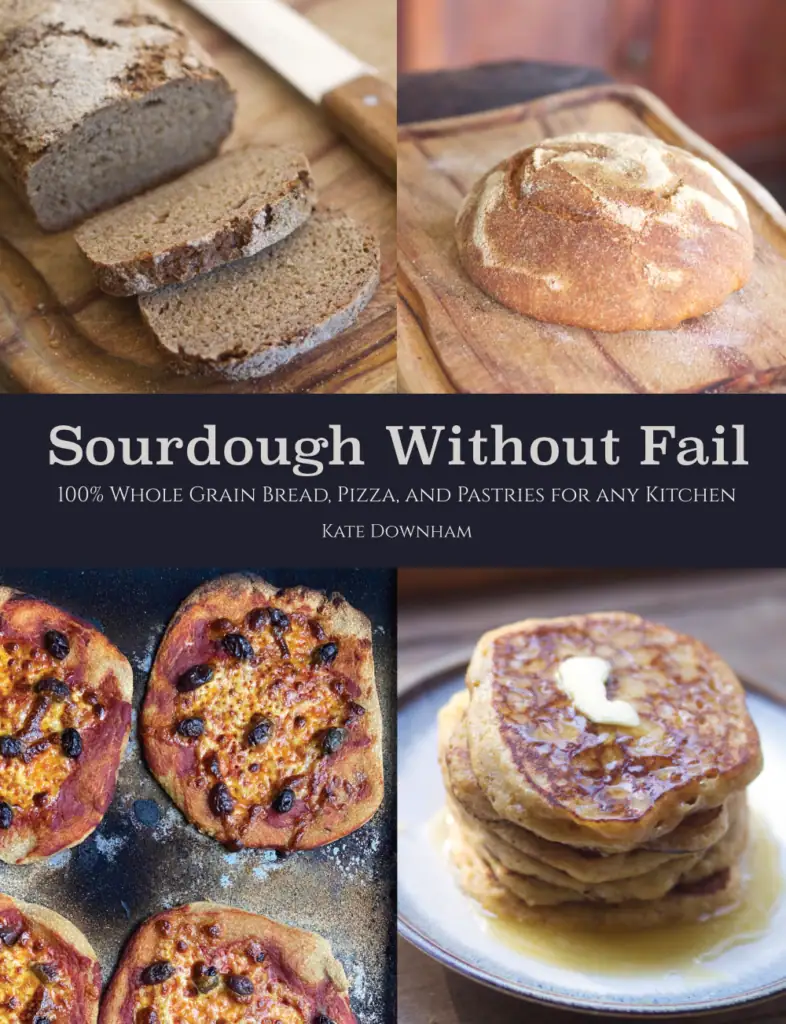
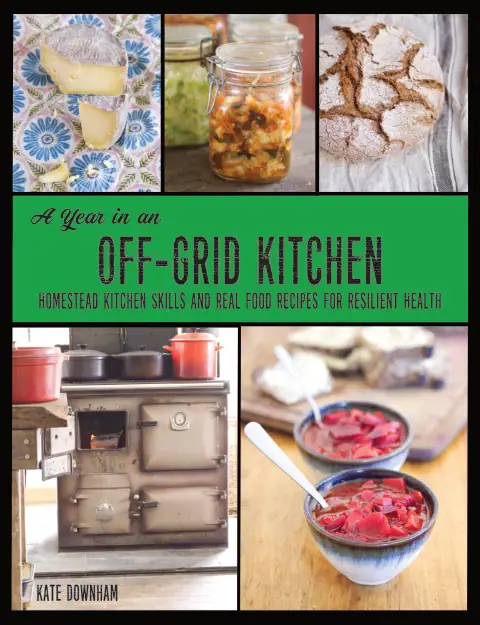
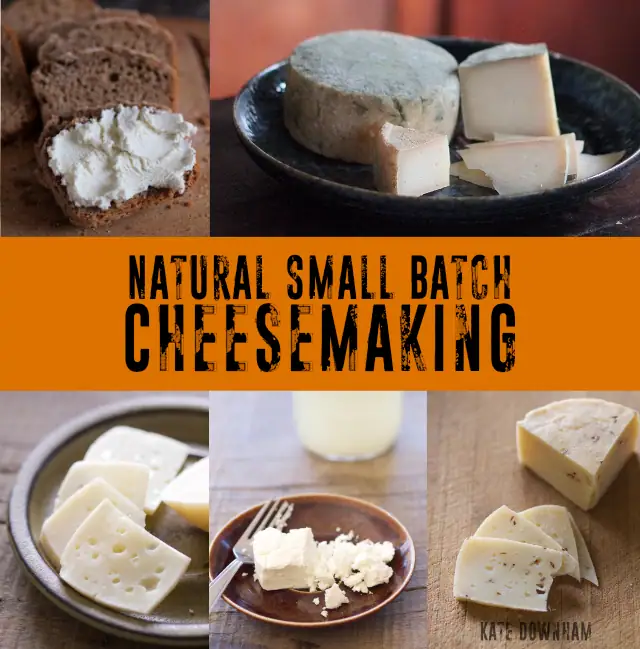
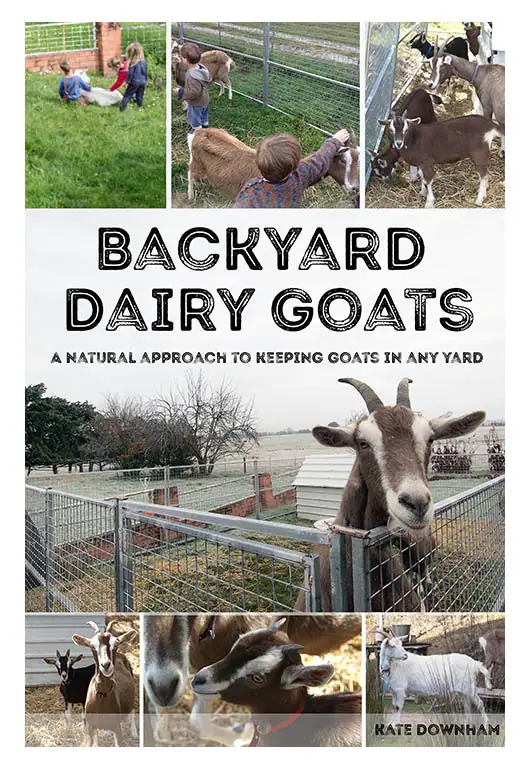
Kate Downham has been growing, preserving, and cooking real food since 2007. She is the author of four books on homestead skills: A Year in an Off-Grid Kitchen, Natural Small Batch Cheesemaking, Backyard Dairy Goats, and Sourdough Without Fail.
Off-grid with her family of nine in the Tasmanian forest, Kate milks her own goats, makes all their cheese, mills all her own grain, and bakes fresh sourdough bread daily.






The Nourishing Hearthfire is reader-supported and mostly ad-free
Leave a Reply