Skip to content
  • Home
  • Books
  • Blog
  • Recipes
  • Self Sufficiency
  • Sourdough
  • Cheesemaking
  • Free Resources

The Nourishing Hearthfire

/

Raising pigs for meat: Butchering Pigs on our Off-Grid Forest Homestead

Home » Self Sufficiency & Homesteading

katedownham

·

Jun 26, 2018

·

Self Sufficiency & Homesteading, All blog posts
wessex saddleback pigs with portable electric fencing in the forest
Our 6 month old Wessex saddleback boar pigs

The next few photos are of the pig slaughtering process, with commentary, to help others who want to raise their own meat or understand a process that has mostly been forgotten in modern times.

You can find more of my articles about raising pigs, butchering pigs, and making bacon here:

Raising pigs for meat and lard


Choosing a breed, feeding, fencing, shelter, and more.
How to cut up a pig without a saw

The second stage of butchering, this guide continues on from the process in these photos.
How to cure bacon and ham without nitrates

Making bacon and ham the natural way. Full instructions and recipes included.

Table of Contents

  • About our naturally-raised forest pigs
  • Equipment for butchering pigs
  • From last meal to meat, butchering pigs in step-by-step photos
    • Aiming the gun
    • Hanging upside down
    • Draining the blood
    • Scalding and removing the hair
    • Gutting
    • Cutting in half and hanging


About our naturally-raised forest pigs

Our pigs have lived happy lives in the paddock above for the past few months. They have been able to express their pig-ness, and have enjoyed a diet of acorns, whey, scraps, and local gmo-free grains. Their natural behaviour is to search for roots in the ground with their snouts, turning over some of the soil in a gentle way, and also manuring it. They feed the soil life and prepare the ground for new plants to grow.

By choosing on-farm slaughter, the life of these pigs is ended in an instant while they are doing their favourite activity (eating). There is no “one bad day” of being transported to the abattoir, these pigs get to live their entire lives naturally on our homestead.

Butchering pigs on a homestead can be done either by a mobile butcher, or by anyone with the right tools and skills. It’s possible to not do the scalding process and to skin the pig instead, but skinning a pig is far trickier than skinning other animals, so if you have the setup to get water onto your pig at the right scalding temperature, by all means, go for it!

Equipment for butchering pigs

The equipment you’ll need to butcher your pigs will depend on whether you are scalding them or skinning them.

If you’re planning to scald, you’ll need to have everything ready before the shot is fired. Proper scalding depends on the insides of the pig still being warm.

For hygiene and taste reasons, even if you’re not scalding, it’s important to make this stage of the pig butchering process as quick as possible.

If you want to scald your pigs, you’ll need a way to provide water at just the right temperature. A bathtub is excellent for immersing the pig in this water, or use a 55 gallon drum, or you can pour water over the pig bit by bit and focus on removing the hair from one part at a time.

Pigs raised for bacon like the ones in these photos can be quite large. You’ll need some way of lifting them up off the ground (although in a pinch, you can find alternatives, it is far easier on the back and more hygeinic to have a way to hang the pig up during this process.)

If you have a tractor with a front end loader, this is a simple solution to this dilemma. If you don’t have a tractor, having some kind of pulley system will serve you well. We haven’t gotten this far with our homestead butchering setup, so the equipment you’ll see below is what our local mobile butcher uses.

If you don’t have any of this set up for lifting a large pig, raising your pigs to a bit smaller than the ones in these photos will make the pig butchering process easier for you.

You’ll need some kind of saw to cut down the spine of your pigs. A bone saw can be used, or you can just use a typical wood-cutting saw from the hardware shop, or a cordless electrical reciprocal saw.

You’ll also need a boning knife around 6″ (15cm) in size.

From last meal to meat, butchering pigs in step-by-step photos

Aiming the gun

aiming a rifle at wessex saddleback pigs, the first stage of the pig slaughtering process
This photo was taken around a minute after the picture at the start of this post.  These pigs are too busy eating to notice that a gun is pointed at them. Both are quickly shot in the head, one after the other.

With a good aim like this one, one shot kills the pig instantly. A .22 rifle is all that is needed for this task.

Hanging upside down

pig slaughtering stage 2, cutting in between tendons in the leg to insert a butchers hook for hanging
The first pig is rolled down the hill to our driveway. After the nerves have stopped twitching, the butcher cuts in between tendons in the leg and puts a butcher’s hook in, to hoist the pig up on a chain that’s attached to his ute.

Draining the blood

pig slaughtering process step 3 - draining blood from a pig while it is hanging upside down
The pig’s throat is cut while I hold a bucket underneath to collect blood for black pudding. A lot of blood comes out to begin with, then it slows to a trickle.

Scalding and removing the hair

pig butchering stage 4, immersing the pig in scalding hot water and removing the hair
A bath is filled with water at exactly the right temperature. The hair and outer layer of skin is scraped off with a spade. It’s important to do this step as soon as possible after the kill, so that the warmth left in the body helps keep the temperature stable.
6.jpgpig butchering stage 4, immersing the pig in scalding hot water and removing the hair
The hair that couldn’t be scraped with the spade rips out easily using hands.
7.jpgpig butchering stage 4, immersing the pig in scalding hot water and removing the hair
More hair is scraped off while the pig is still warm from the water
Pig hanging upside down with hair removed and cheeks removed
More scraping. The cheeks are removed, they are a good cut for slow roasting and one of the first bits we eat.

Gutting

pig being gutted
The pig is cut down the belly. Lungs, heart, liver and kidneys come out and are put aside for using in recipes.
pig guts in bucket, with caul fat up top
Stomach and intestines come out next. My friend is holding the caul fat in her hands. This fat can be used to wrap sausages, terrines, pates and so on. The intestines can be cleaned and used to make sausages.

Cutting in half and hanging

butchering pigs, cutting in half and ready for cutting up
The pigs are cut down the middle with an electric saw to be hung at a cold temperature, ready for us to cut up in a couple of days. It’s now that we notice the good amount of backfat on them that we can render to use as a nourishing cooking fat.
how to butcher pigs, pigs cut in half and hanging in the cool autumn air
The heads are removed, and the pigs are hung in an open shed from the rafters using rope and scrap wood. Next time they will hang up higher than this. There was a small amount of damage from birds to the last pig we processed, next time we might hire a mobile coolroom or cover the pigs with muslin.

For the next stages of butchering pigs, which my friend and I were able to do with no butchering experience, see my post about how to cut up a pig without a saw.

How to cut up a pig without a saw

Like this:

Like Loading…
  • Share using Native toolsShareCopied to clipboard
Kate Downham off grid homesteader

About Kate Downham

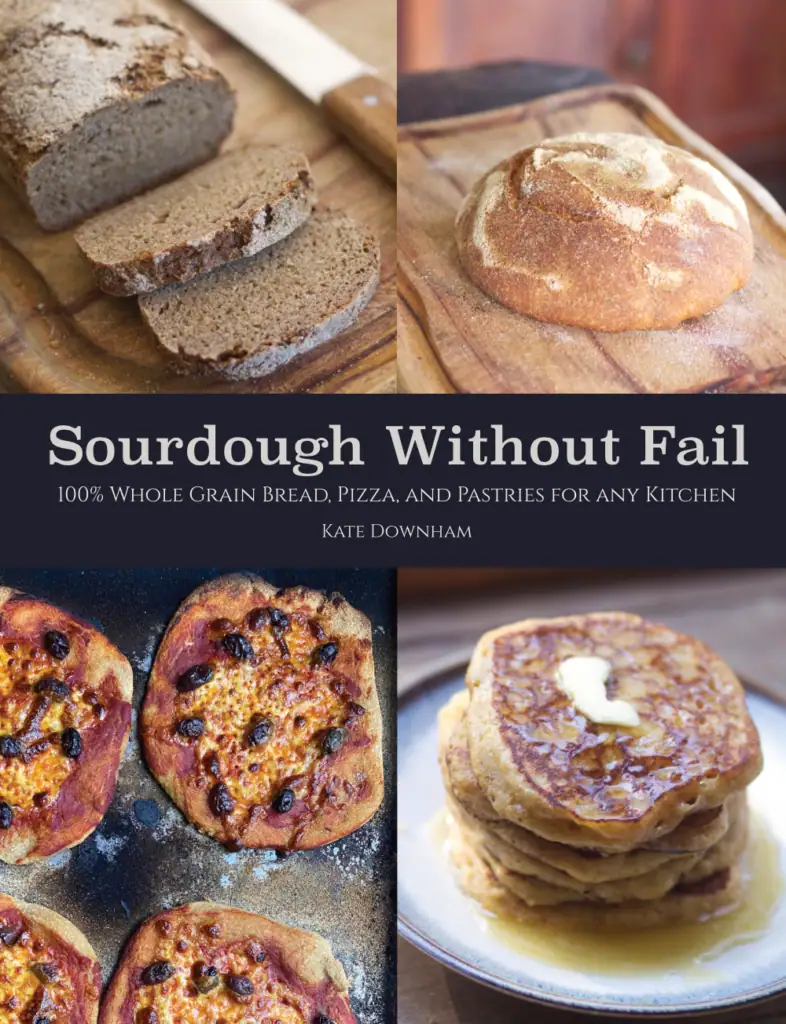
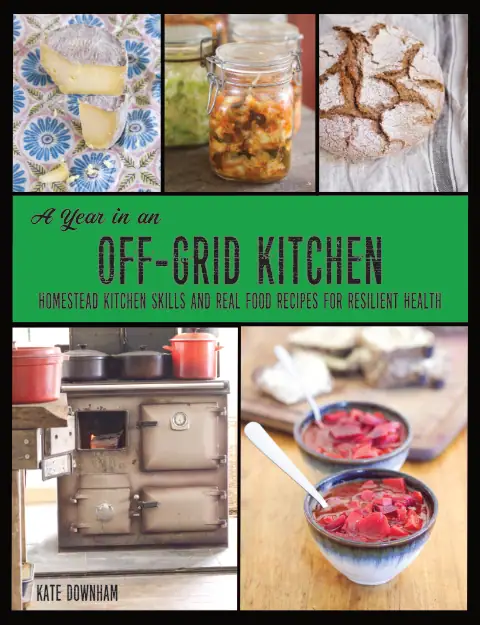
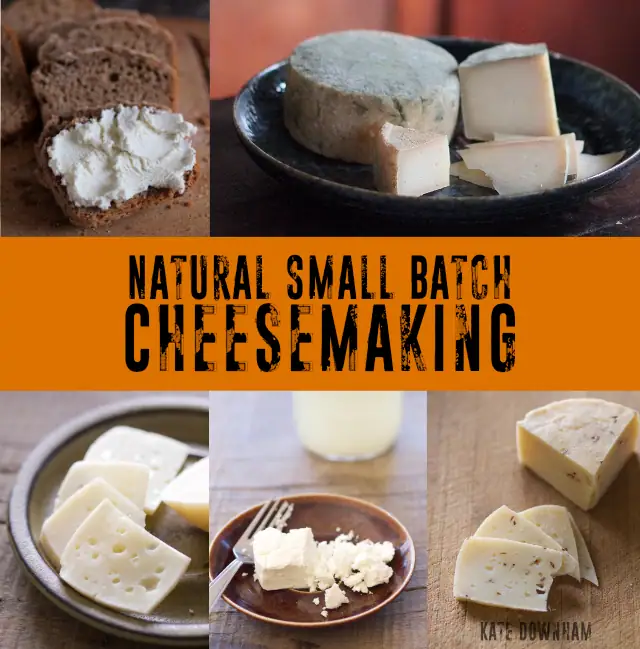
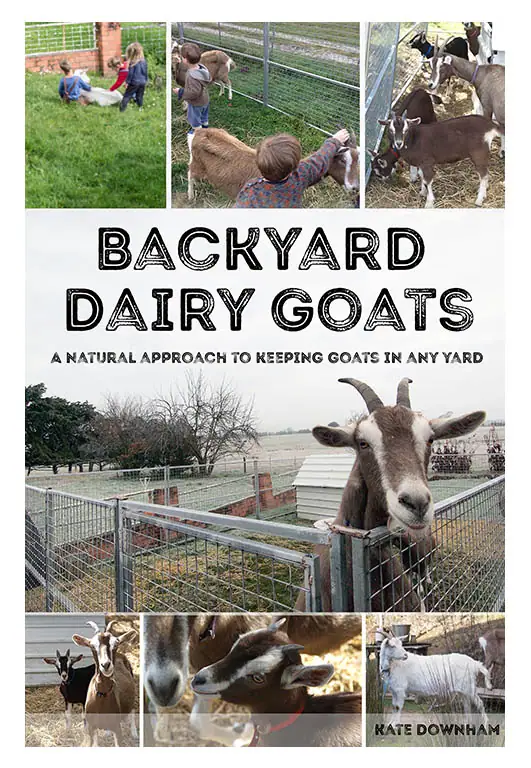
Kate Downham has been growing, preserving, and cooking real food since 2007. She is the author of four books on homestead skills: A Year in an Off-Grid Kitchen, Natural Small Batch Cheesemaking, Backyard Dairy Goats, and Sourdough Without Fail.

Off-grid with her family of nine in the Tasmanian forest, Kate milks her own goats, makes all their cheese, mills all her own grain, and bakes fresh sourdough bread daily.

Learn more about Kate’s books →

Related posts

  • Raising pigs for meat and lard
  • Cutting up a pig without a saw
  • Curing Bacon and Ham without Nitrates

Leave a Reply Cancel reply

Your email address will not be published. Required fields are marked *

Recipe Rating


One response to “Raising pigs for meat: Butchering Pigs on our Off-Grid Forest Homestead”
  1. Anna Ewer Avatar
    Anna Ewer
    Jun 26, 2018

    Fabulous!!!!!!

    Reply
8 different homesteading ebook covers

My books

Sourdough without fail: 100% whole grain sourdough breads, pizza, and pastries for any kitchen fresh milled flour sourdough book cover
a year in an off grid kitchen by kate downham off grid homesteading book cover
natural small batch cheesemaking natural cheesemaking book cover
backyard dairy goats homesteading book cover

More Resources for Off-Grid Living

off grid solar dehydrator
garden master course
diy wood fired pizza oven
the $50 and up underground house
natural swimming pools

Categories

  • All blog posts
  • Homestead Recipes
  • Natural Cheesemaking
  • Self Sufficiency & Homesteading
  • Whole Grain Sourdough Baking

Recent Posts

  • Magic Overnight Sourdough Pizza Dough Recipe with Fresh Milled FlourMay 26, 2026
  • Cooking year-round on a wood cookstove: the dream, the reality, and the practicalities of relying on our own firewood and being off the gas gridMay 20, 2026
  • 100% Whole Grain Fresh Milled Flour Sourdough Bread for Beginners: A Step-by-Step GuideMay 4, 2026
  • Easy 100% Whole Grain Sourdough Cinnamon Raisin Bread (honey-sweetened, and works with fresh milled flour & ancient grains)May 4, 2026
  • Natural Cheesemaking: How to Make and Use Your Own Cheese CulturesMay 2, 2026

The Nourishing Hearthfire is reader-supported and mostly ad-free

Buy me a coffee

Search

  • Home
  • Books
  • Blog
  • Recipes
  • Self Sufficiency
  • Sourdough
  • Cheesemaking
  • Free Homestead Resources

© 2026 Kate Downham – The Nourishing Hearthfire. This blog is licensed under a Creative Commons Attribution-NonCommercial-ShareAlike 4.0 International License.

Join The Nourishing Hearthfire mailing list for thoughtful monthly emails and free ebooks
Find us on forums and social media

Permies: Permaculture and Homesteading Forums

Instagram

Facebook

X

Goodreads

About

Contact

Privacy Policy

Terms and Disclaimer

The Nourishing Hearthfire

%d