
/
/
The answer to this question, as it is a lot of the time, is “it depends”.
Ancient grains are not always more nutritious than wheat. It all depends on how they are grown, and what the individual growing season has been like. In this post I’ll be going into detail about all aspects of growing, storing, and milling grain that determine whether a particular grain is more nutritious or not.

Ancient grains are varieties of grain that have changed very little from ancient times. Often when we are talking about ancient grains, it is about particular types of grain that were found in archaeological digs and then cultivated from those seeds from thousands of years ago. Other times the term ancient grains can also refer to heirloom strains of grain that have been cared for and selected by peasant farmers over the years, rather than industrial farmers.
In comparison to ancient grains, modern wheat is a crop that has been continuously selected for many years to have higher yields and other qualities that large commercial farmers are looking for. Sometimes these higher yields might come at the cost of the nutritional qualities, of the resilience of the crop to bad growing seasons, or of the amount of organic matter (straw) created by growing this grain.
But, not all wheats are the same! One farmer in a dry climate is going to select grain seed that has different qualities than a farmer in a humid climate. From large seed suppliers, there are many strains of wheat, each suited to different climates, and different purposes (e.g. lower protein wheats being grown for pastries, higher protein wheats for bread).
Some examples of ancient grains include einkorn, spelt, rye, emmer and Khorasan, and there are also many heirloom varieties of wheat.
Grains take up nutrients from the soil they are grown on. Wheat grown organically on mineral-rich, biologically active soils is going to be more nutritious than ancient grains grown with chemicals on poor soil.
Any standard nutritional information you read about a particular type of grain is not completely accurate, because it all depends on the soil, the growing method, the growing season, and what qualities the farmer has been selecting the seeds for.
The time of year that a farmer grows the grain makes a difference. Sowing grain in autumn results in grain with higher amounts of minerals but lower protein compared to spring-sown grain.
The growing season itself makes a difference: a dry growing season grows grain with higher protein and higher mineral content, excessive rainfall during the growing season creates grain with lower protein and mineral content.
Rain during harvest time can cause the grain to sprout or mould, and the enzymes can start to activate and the grain can start to sprout, reducing the protein and converting starches to sugars, leading to sticky dough with a bad structure and a different taste.
If one year you were to grow ancient grains on the exact same soil as modern wheat, it may end up that in a bad year, the ancient grains would have more minerals because they may be able to handle the stressful growing conditions better than modern wheat, but in a typical year, the mineral content of einkorn (often thought to be the most nutritious grain) might work out to be around 10% higher than modern wheat, which does not make a huge difference in the great scheme of things.
If your budget allows and you enjoy the taste of ancient grains, by all means, go for it and you’ll get slightly more nutritious bread than modern wheat, but if you are on a tight budget, and you like the taste of wheat, you are not losing much nutrition if you bake with wheat instead of einkorn.
Some home grain growers say that the traditional method of cutting grain with a sickle or scythe during the “soft dough” stage and leaving it to dry in stooks results in grain that is nutritionally superior and easier to digest than combine-harvested grain. It’s unlikely that you’ll find anyone selling grain processed in this way, but you can definitely try growing a patch in the backyard and experience the timeless joy of growing grain and watching it wave in the summer breeze.

The statement that all modern wheat is genetically modified comes from a misunderstanding of the role of the gardener or farmer in seed saving.
Modern wheat being selected for higher yields based on natural, open pollinated methods is no more genetic modification than me saving seeds from my earliest and tastiest tomatoes. All grains (including ancient grains) have been “modified” by this natural seed saving method, by people in different parts of the world selecting for grains that will reliably produce in their seasonal conditions.
With all that said, I don’t keep up to date about all the latest Frankenstein food experiments, so there might be some genetically modified wheat out there. If you want to be extra sure that your wheat is not genetically modified, choose organic or biodynamic wheat from farms that are not next door to GMO farms.
For some people, yes, but not for everyone.
Some people who are sensitive to wheat can find it easier to digest ancient grains like spelt, einkorn, Khorasan, and emmer, but if you are sensitive to different foods and are on a budget, I encourage you to try making sourdough from organic wheat and see if that works for you. Slow sourdough fermentation makes any grain more digestible.
Another thing to consider is that some wheat sensitivities are actually a sensitivity to the glyphosate sprayed on non-organic wheat, rather than the wheat itself. Glyphosate can linger in the soil for years after it was last sprayed, so some farms recently converted to organic production can have glyphosate in the grains.
From my experience “glyphosate tested” grains can also still have residual glyphosate in them, and sensitive people can react to these.
If you are sensitive to herbicide residues, my recommendation is to seek out grains from a farm that has been in organic production for many years. If you’re on a budget or have limited options to choose from, try wheat, or if budget is less of a concern and you prefer the idea of a particular ancient grain, try that.
Some ancient grains behave similar to wheat in baking: Khorasan and emmer are excellent choices if you want to swap them 1:1 with whole wheat.
Spelt can be used in place of wheat, but it doesn’t hold its shape as well as wheat does, so if you are baking a free-form loaf like a boule or bâtard, you may find that it turns out delicious, but a bit flat. You can minimise this tendency a bit by reducing the water slightly, or by having a 50/50 blend of wheat or spelt, or by baking it as a pan loaf.
Einkorn needs less water than wheat. To change a whole wheat recipe to use whole einkorn instead, you’ll need to reduce the amount of water by around 45g (3 tablespoons) for an average-sized loaf.
Find out more about the farms you are buying grains from: are they growing food in a way that supports soil health? Is their soil rich in minerals? For best results, choose biodynamic or organic farms that have been growing that way for many years.
If you are growing your own grain, test your soil for pH and minerals, add minerals, if they are needed, and feed the soil life with green manures, cover cropping, polycultures, and ley farming. For best results, practise the old-fashioned stook-drying method rather than using modern combine-harvesting.
Whether you are using ancient grains or modern wheat, you can get the most nutrition out of your grain by milling it fresh and using the whole flour (no sifting).
By storing the grains whole, and only milling flour as it is needed, you are creating more resilience to supply disruptions and better nutrition at the same time.
The longer that flour ages, the more it begins to oxidise, and the fats in the grain start to go rancid. Many of the nutrients commonly referred to as vitamin E, folate, beta carotene, and B vitamins also begin to degrade. Minerals, although more stable, can sometimes be lost in high-heat milling and imperfect storage conditions.
The rate that this happens is faster in warm conditions, slower in cold conditions. Faster when the flour is exposed to air and light, slower when the grain is kept in a dark, airtight container.
For the best nutrition and taste, use whole grain flour less than a week after it has been milled. Having a home grain mill makes this really simple to do.
Ferment, sprout, or soak your grains and flour, to break down the phytic acid and absorb all the minerals in the grain.
Buy flour directly from the farmer or the miller, and use it as quickly as you can. Ideally, only order as much flour at a time as you’ll use within 6 weeks. Store the flour in an airtight container in a cool, dark, dry place.
Stone milling is the best kind of milling to retain all the nutrients in the flour, because it does not heat the flour up as much as other mills, so for best results, choose stoneground whole grain flour.
You can make delicious cookies, cakes, pasta, rolls, soda bread, pies, and more from whole grain sourdough starter discard, plus get weekly emails about whole grains and sourdough baking.

Whole Grain sourdough book
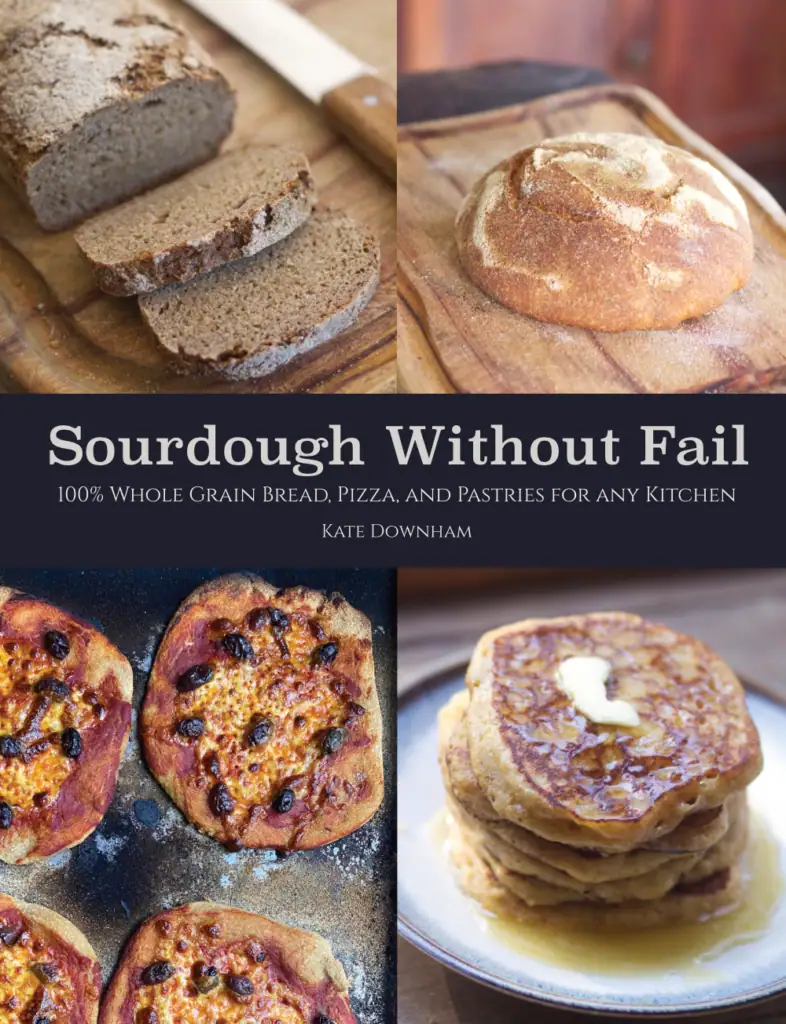
Baking great sourdough doesn’t have to be complicated or time-consuming. Whether you’re using fresh milled flour or store-bought flour, you can make delicious bread, pizza, and more in your own kitchen.
Sourdough Without Fail is written for real home bakers and homesteaders who want recipes and methods that work in real-life conditions.


Join The Nourishing Hearthfire for real food recipes, traditional skills, and monthly inspiration for your hearth and homestead.
We respect your inbox. Unsubscribe anytime.

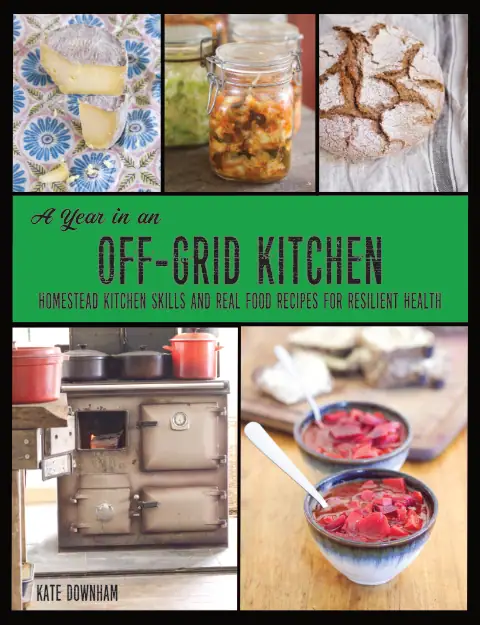
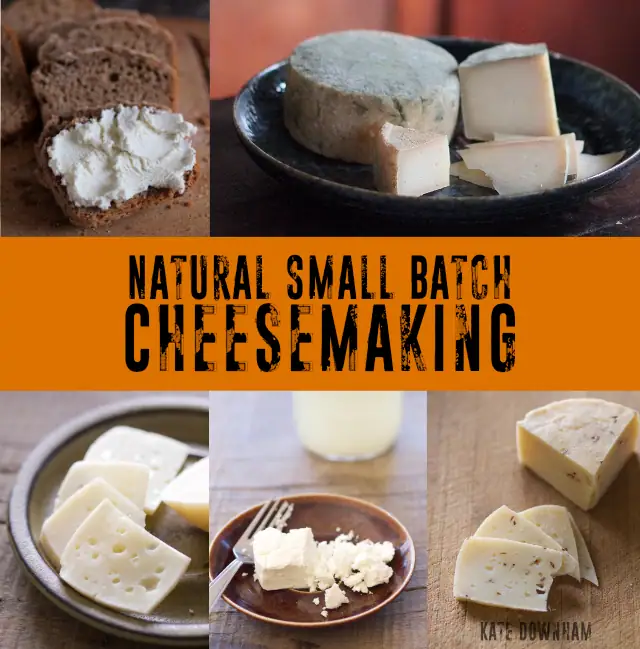
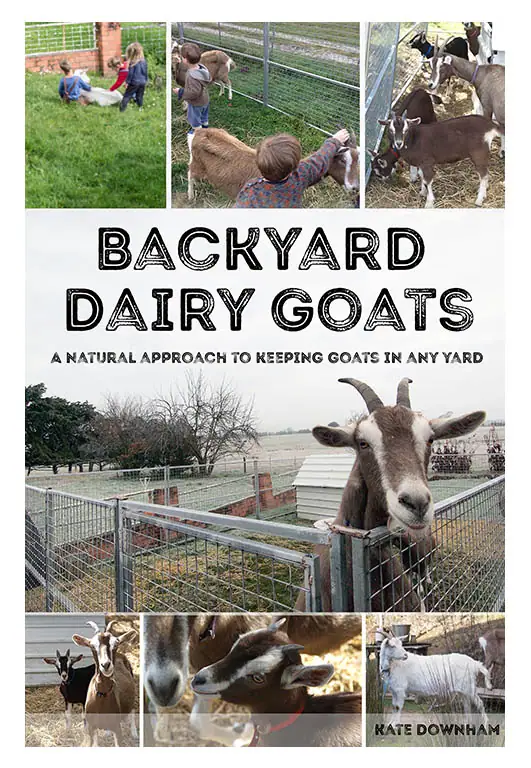
Kate Downham has been growing, preserving, and cooking real food since 2007. She is the author of four books on homestead skills: A Year in an Off-Grid Kitchen, Natural Small Batch Cheesemaking, Backyard Dairy Goats, and Sourdough Without Fail.
Off-grid with her family of nine in the Tasmanian forest, Kate milks her own goats, makes all their cheese, mills all her own grain, and bakes fresh sourdough bread daily.







The Nourishing Hearthfire is reader-supported and mostly ad-free
Leave a Reply