Understanding Phytic Acid in Sourdough and Whole Grains

I’ve been getting some questions about the phytic acid in whole grains and sourdough, and thought it would be a good idea to go into detail about how this works, and why you don’t need to be alarmed about it.

Along with a bunch of good stuff that is not in refined flours, phytic acid is present in whole grains. If phytic acid is not broken down by the phytase enzyme by soaking, sprouting, or fermenting, it can bind to the iron, zinc, magnesium, and calcium in the grain, making it so these nutrients in the grain are not absorbed by your body when you eat the grain.

During sourdough fermentation, the enzyme phytase is activated. Phytase breaks down phytic acid. As sourdough ferments and gets more acidic, phytase is more active. Phytase converts phytic acid into phosphorus, making it beneficial for bone health.

Phytic acid also has anti-inflammatory properties, and helps to stabilise blood sugar.

A longer sourdough fermentation will reduce the phytic acid by up to 90%, compared to less than 30% for yeast breads, and less than 50% for soaking whole grains. Sprouting will reduce phytic acid in similar amounts to sourdough fermentation.

In A Year in an Off-Grid Kitchen I wrote about my approach to this issue: if you are relying on a lot of grains and not eating much in the way of mineral-rich foods such as bone broth, red meat, and dairy, it’s probably best to always soak, sprout, or ferment your grains and legumes. If you are eating plenty of nutrient-dense animal foods, then you can get away with baking unsoaked whole grain cookies, muffins, and other treats every now and then.

I have not bought flour for over seven years. I also don’t have the setup to reliably dehydrate sprouted grains, so if we want to make a favourite recipe that isn’t soaked or fermented, we just make it from the home-milled flour, enjoy it, and that is that.

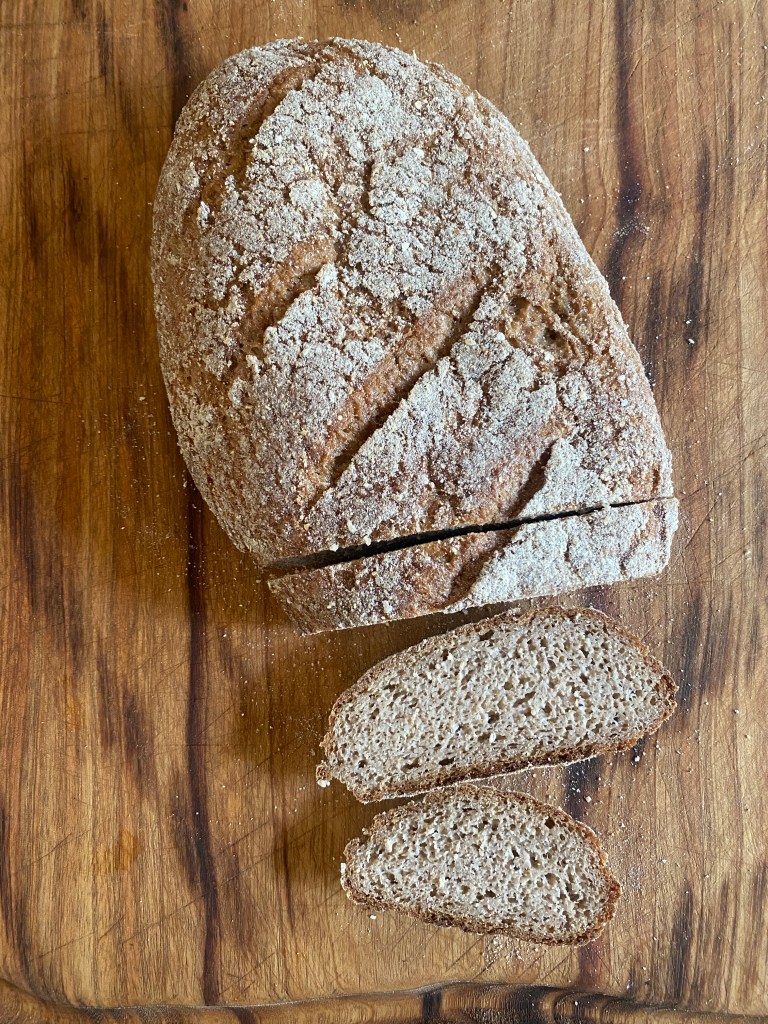
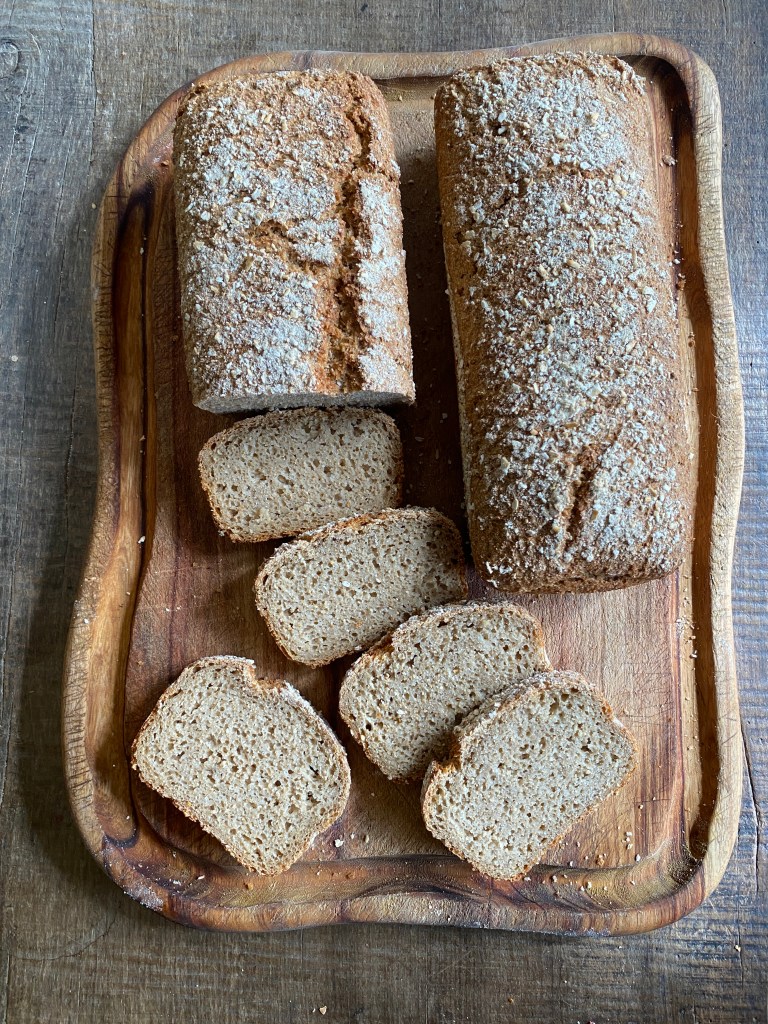
For our bread, which we eat every day, we make 100% whole grain sourdough.


How to reduce phytic acid as much as possible:

• Slow down your fermentation. Reduce the temperature or the amount of starter in a recipe, to make fermentation take longer.

• Cold proofing (also called retarding) is probably the most reliable way to reduce phytic acid, because the phytase enzyme is more active in the acidic environment of fermented dough. To cold proof, simply follow your recipe up until it’s time to proof the dough, then move it to a place below 8ºC (46ºF) for up to 24 hours. Make sure to cover it with something airtight if you’re proofing it in a fridge.

• You can also retard the dough during bulk fermentation. This may not be quite as effective as cold proofing, but it will still make a big difference, and can be a great way to make bread if you want to mix the dough at night and then have dough that’s ready to bake any time the next day.

• Using larger amounts of sourdough pre-ferment will start the dough off more acidic, so although the bulk fermentation time is faster than it is for a loaf with only a tiny amount of starter, the increased acidity at the start of fermentation means that phytase is more active from the very start.

• Add some rye flour. Rye is high in phytase.

• Just bake sourdough! I use pre-ferments, cold proofing, and cold fermentation at different times of the year, in order to make recipe timings that work with my schedule in seasonal conditions.


Why not just eat white flour instead?

The phytic acid in the whole grains is binding to the minerals in the whole grains. These minerals aren’t present in white flour, so you’re not getting any nutritional benefit by using white flour instead of whole grains.

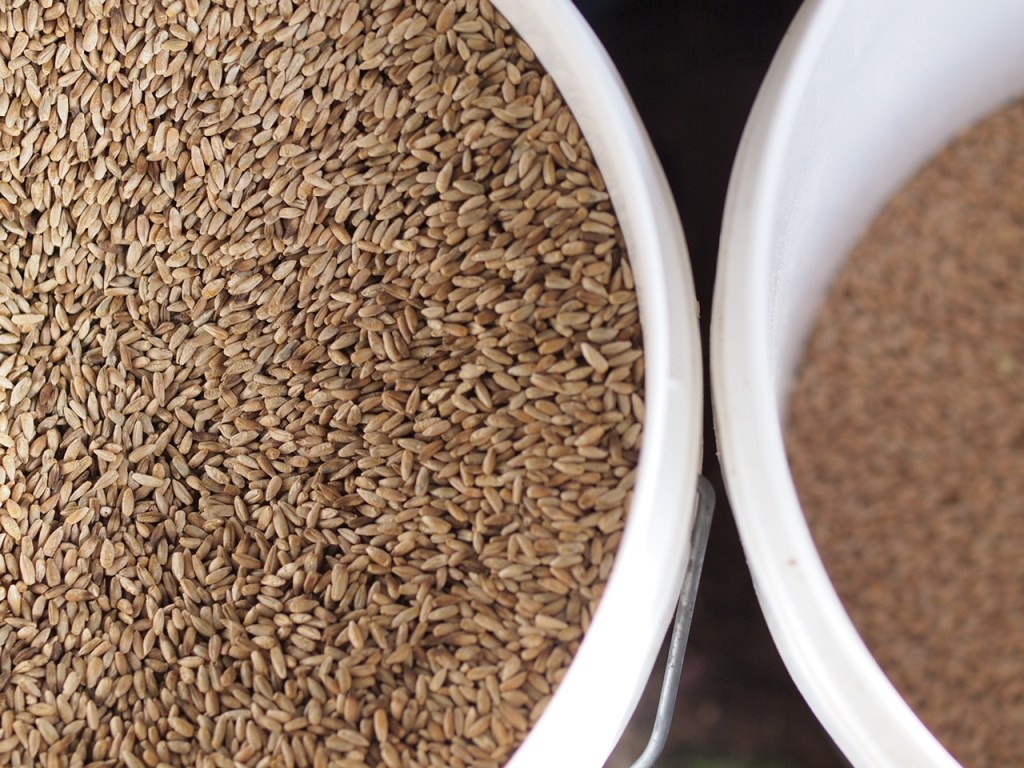
Whole grains can be stored for many years, whereas flour of any sort will not keep long. If you want to grow your own grains in the future, the grains are not going to transform into white flour on their own, so it’s good to get used to baking with 100% whole grain flours now.

Want to learn more?


Click here to back Sourdough Without Fail on Kickstarter

Sourdough Without Fail is now on Kickstarter

Click here to go to the Kickstarter

Creating a sourdough book for the rest of us

In some ways I’m grateful for the haphazard way I started with sourdough. I had previously been baking with yeast and had never found any recipes that really suited me, so I’d figured out my own. Switching over to sourdough, I took the same approach. I made some terrible loaves to begin with, but eventually figured out how to tinker with the starter amount, hydration, timing, temperature, and technique to produce breads with better flavour and texture.

If instead I’d followed finicky instructions from the internet or a book, maybe I would have been put off the whole idea.

I think a lot of books are written from a specialist perspective: someone that has focused on just one thing, written about it in isolation, without providing any guidance for those who do not have the same perfect conditions. I like to think of my book as being written by a generalist: Yes, I am making all my family’s bread, it’s an important part of how we eat and I love it, but I am also making cheese, fermenting, canning, preserving, gardening, caring for family and animals, building infrastructure, and all the other tasks that make for a diverse homestead.

Sourdough does not have to be difficult. You do not need to follow someone else’s schedule. By learning to understand why different techniques are done, you can decide for yourself whether it is really worthwhile to make a levain, autolyse, knead, stretch and fold, preshape, score, or any other aspect of sourdough.

By learning to really understand fermentation, and how the balancing act of timing, temperature, and prefermented flour percentage works, you can confidently adjust recipes to suit your lifestyle and your seasonal conditions.

Sourdough Without Fail has over 75 easy and adaptable sourdough recipes, along with detailed information to help the home baker really understand sourdough and learn how to tinker with recipes to get different results.

Not just bread

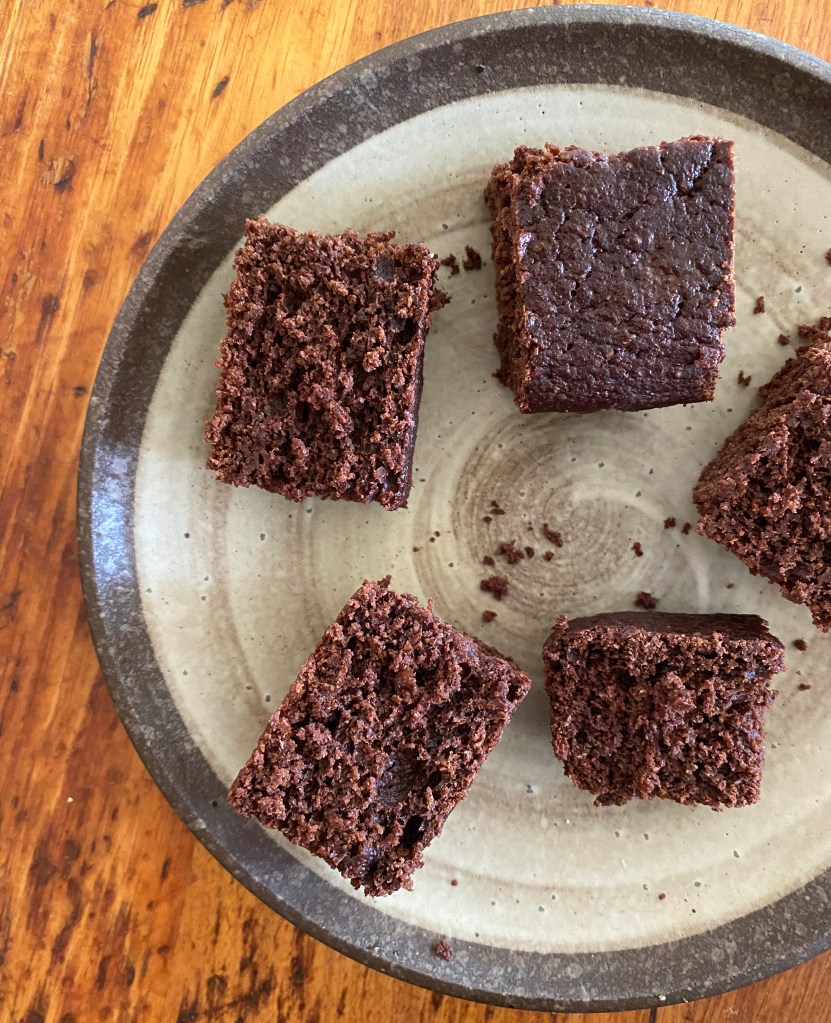
Sourdough chocolate cake


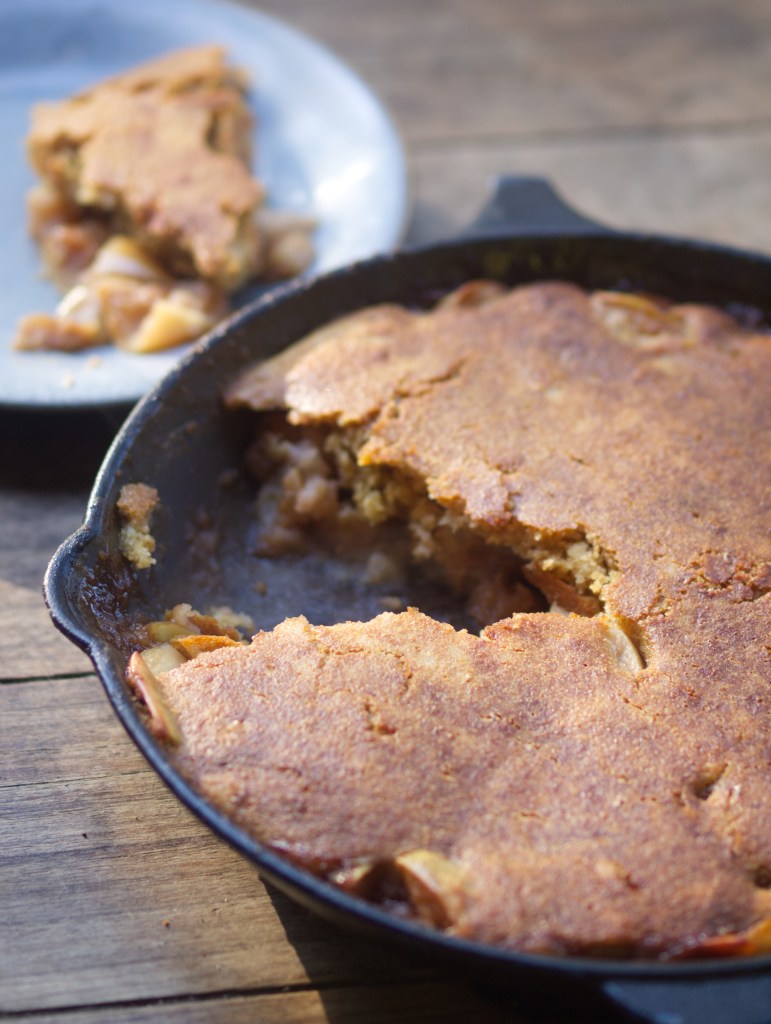
Sourdough is so much more than bread. Sourdough discard is a resource that I actually make on purpose, so that I can make the chocolate cake, apple pie, soda bread, pancakes, cookies, pie crust, and other discard recipes that I share in the book.

Sourdough skillet apple pie

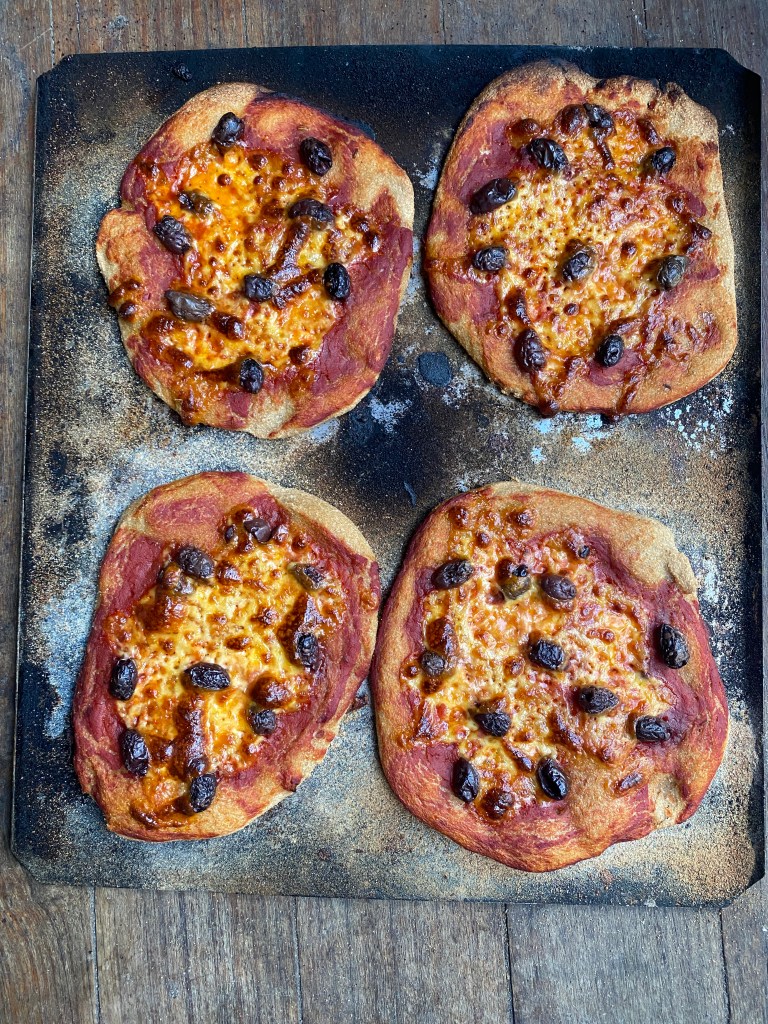
With sourdough you can make great pizza from wheat, spelt, einkorn, emmer, Khorasan, or gluten-free flours, and I will show you how.

sourdough pizza with olives and mozzarella
Sourdough pizza with olives and mozzarella

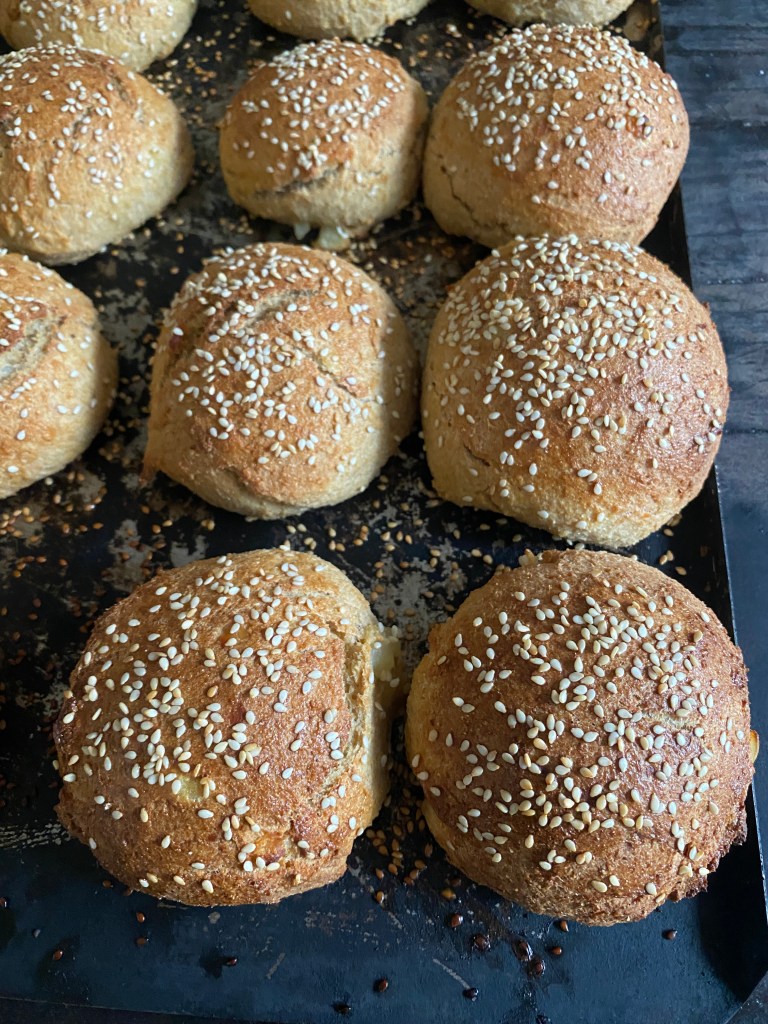
After years of making terrible burger buns, I’ve created two excellent roll recipes that will work for burgers, sandwiches, and more.

burger buns with sesame seeds on top
Best ever burger buns

Taking my fuss-free, busy homesteader’s approach to baking one step further, I’ve developed a recipe for Danish pastry that is more adaptable and down-to-earth than other Danish pastry recipes. I also share the most delicious doughnut recipe, and several recipes for different sweet buns, fruit breads, and more. All of these are 100% sourdough leavened, with 100% real food ingredients.

sourdough jam doughnuts
Sourdough jam doughuts with homemade cherry jam

I’ve created a chapter of gluten-free breads from 100% natural whole food ingredients, with something for everyone, and also tested gluten-free versions of the sourdough discard recipes, so that you can make gluten-free pancakes, cookies, cakes, pies, and more.

gluten-free sourdough bread
Gluten-free sourdough bread made from oats, rice, and buckwheat

Sourdough without fail!

If you’ve tried sourdough in the past (or if you’ve wanted to) and it hasn’t worked out, don’t despair. This book will help you to make your own sourdough bread, pizza, pastries, and more. Some of the best feedback I’ve had has been from recipe testers, including the quote from Gina that I’ll post below. If your past sourdough experiences have been like Gina’s, I hope you will also look forward to baking the recipes in my new book.

“I feel that at this point, I have to tell you how amazing these recipes are. I have tried to make sourdough for years and only ever turned out a brick.  I'm on such a high from having successful loaves that I'm starting to look forward to feeding my starter instead of regarding it as a chore on the path to a hockey puck, lol! I can't wait to try the next one!!” - Gina, recipe tester

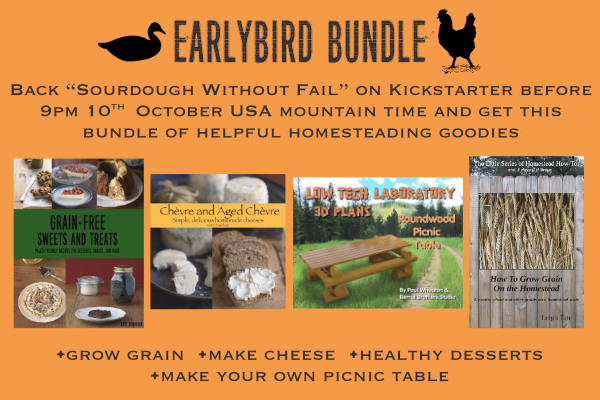
If you’re interested in learning more, please feel free to visit the Kickstarter page about my book. I’ve provided a discounted price and lot of bonuses that are only available while the Kickstarter is live for the next month. If you back the Kickstarter in the first couple of days you’ll also get access to this extra earlybird bundle of plans and ebooks.

Click here to go to the Kickstarter

How much time does it really take to make bread from scratch?

Making bread
The time involved in making bread can be divided into hands-on time and hands-off time.

Some bakers might use a lot of hands-on time, kneading a lot to develop strength in the dough. Other bakers might use a no-knead approach and use more hands-off time, with just a couple of minutes of hands-on time.

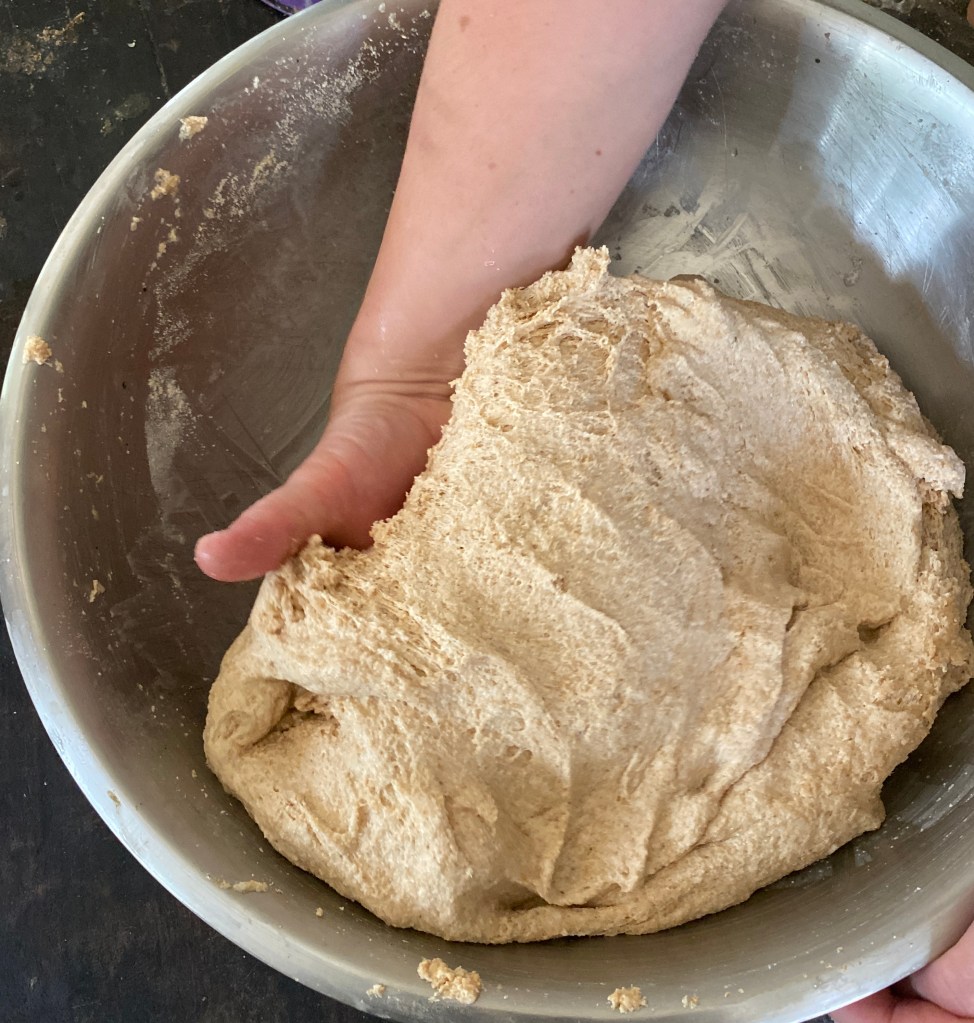
You don’t need to knead your bread at all. The purpose of kneading is to strengthen the gluten. The purpose of having strong gluten is to trap the gasses that add more flavour to you bread, and to make the bread light in texture. By handling the processes of strengthening and shaping bread a bit differently, it’s possible to have light, open, flavoursome bread with minimal hands-on time. Here is a rough guide to how I do this:

Mix until just combined, then rest for at least fifteen minutes.
Mix until no traces of flour remain, not any longer. When working with 100% whole grain flours it’s important not to over-mix, as the tiny pieces of bran in the flour can cut into the gluten and weaken it.

Stretch and fold, or squash and fold.
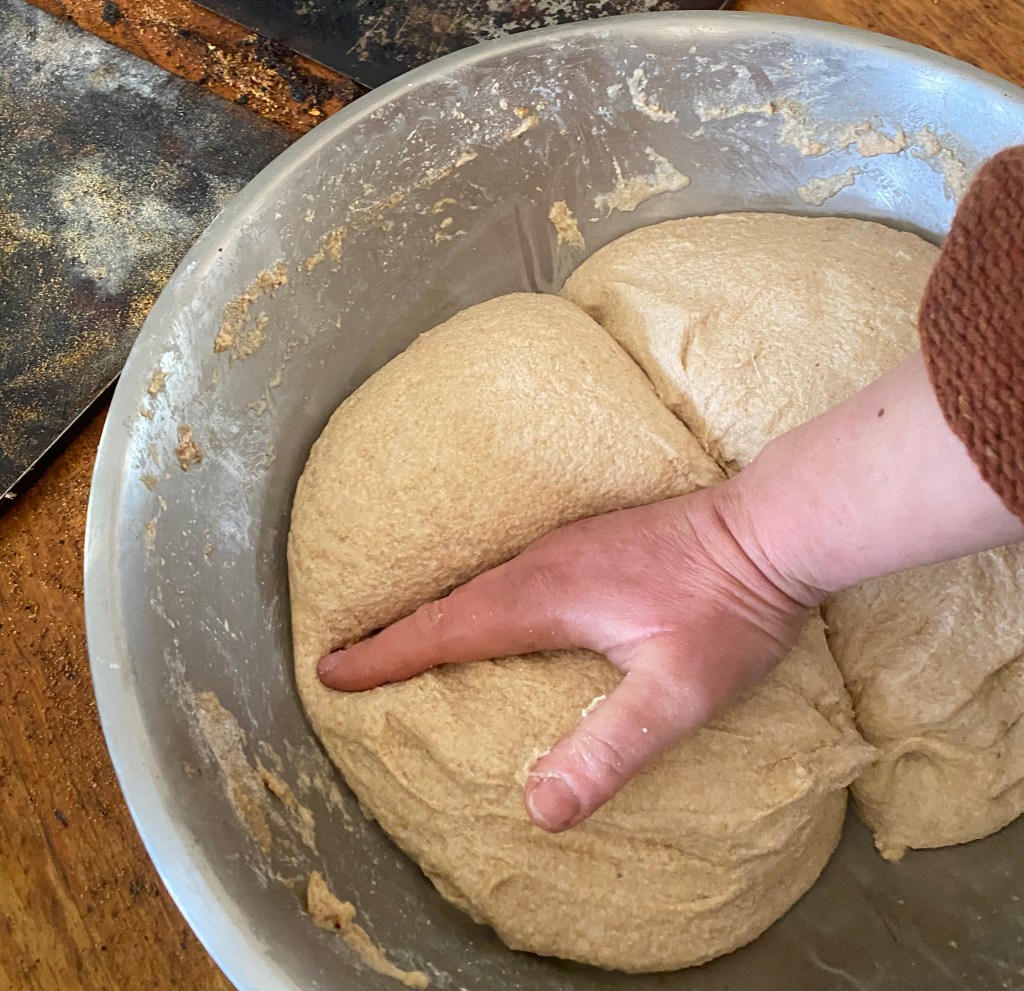
Allow your dough to sit for around 20 minutes, then do a series of stretch and folds by lifting up half the dough, folding it over the other half, rotating the bowl a quarter turn, then repeating the stretching, folding, and rotating, until all four sides have been stretched and folded. Stop this if the dough starts to tear at any point.

Optionally repeat the resting (rest for 15 to 30 minutes), stretching, and folding up to three more times if you want to.

It’s really not the end of the world if you don’t have time to do this (or if you forget). You’ll still get good bread without it.

Ferment
Leave your dough alone until it’s fermented. If your room is warm enough, it will puff up. If your room is cold, it may not rise much.

The amount of time your dough will take to ferment will depend on how much starter is in the dough, the water temperature, and the room temperature. I adjust the amount of starter and the water temperature to work with whatever room temperature conditions I am facing at different times of the year, as well as adjusting these things to suit my schedule: sometimes I need a bread that ferments rapidly, and make a dough where 50% or more of the flour is prefermented, other times I need a dough that ferments more slowly, and use a smaller amount of starter.

Be gentle when dividing and shaping
If you want nice airy bread, you don’t want to destroy all those bubbles that have been created during fermentation. Don’t pick pieces off one bit of dough to add to the other or try to get it to an exact weight on a scale, just divide into what looks about right.

Shaping
Some doughs don’t need to be shaped at all. If you are really busy and want bread, you can simply just dump your dough into a greased loaf tin (or into a floured towel-lined bowl) and you’ll still get bread. Maybe not as neat as if you’d shaped it properly, but it will still feed you, and will still taste good.

If you want to shape the dough, it helps to observe and to feel what the dough is like. If you haven’t done many stretch and folds earlier, the dough might be a bit weak, and can benefit from preshaping. To preshape, simply fold the dough in half, to form a semicircle, and then fold that in half, to form a quarter circle. Allow it to rest for a few minutes if you like, and then get on to the final shaping.

I do most of my shaping in midair, and it takes a few seconds. Shaping can also be done quickly on a bench. Shaping a boule is simply a matter of imagining an invisible dot on one side of the ball of dough, and tensioning the outside of the dough towards that dot. When the dough looks tight and tense, stop shaping.

For a pan loaf or bâtard, sometimes I am folding it up in thirds like a letter or rolling it like a cinnamon bun, other times I am shaping it as if it were a boule, but instead of an invisible dot, it’s an invisible line. Shaping bread has become instinct for me, and it only takes a few seconds per loaf.

Proofing
Proofing can happen at any temperature. Your bread will proof quickly and rise up in warm room temperatures, or you can delay the baking by moving your bread to a cooler part of the house, or proof it in a fridge for up to 24 hours.

Scoring or not scoring
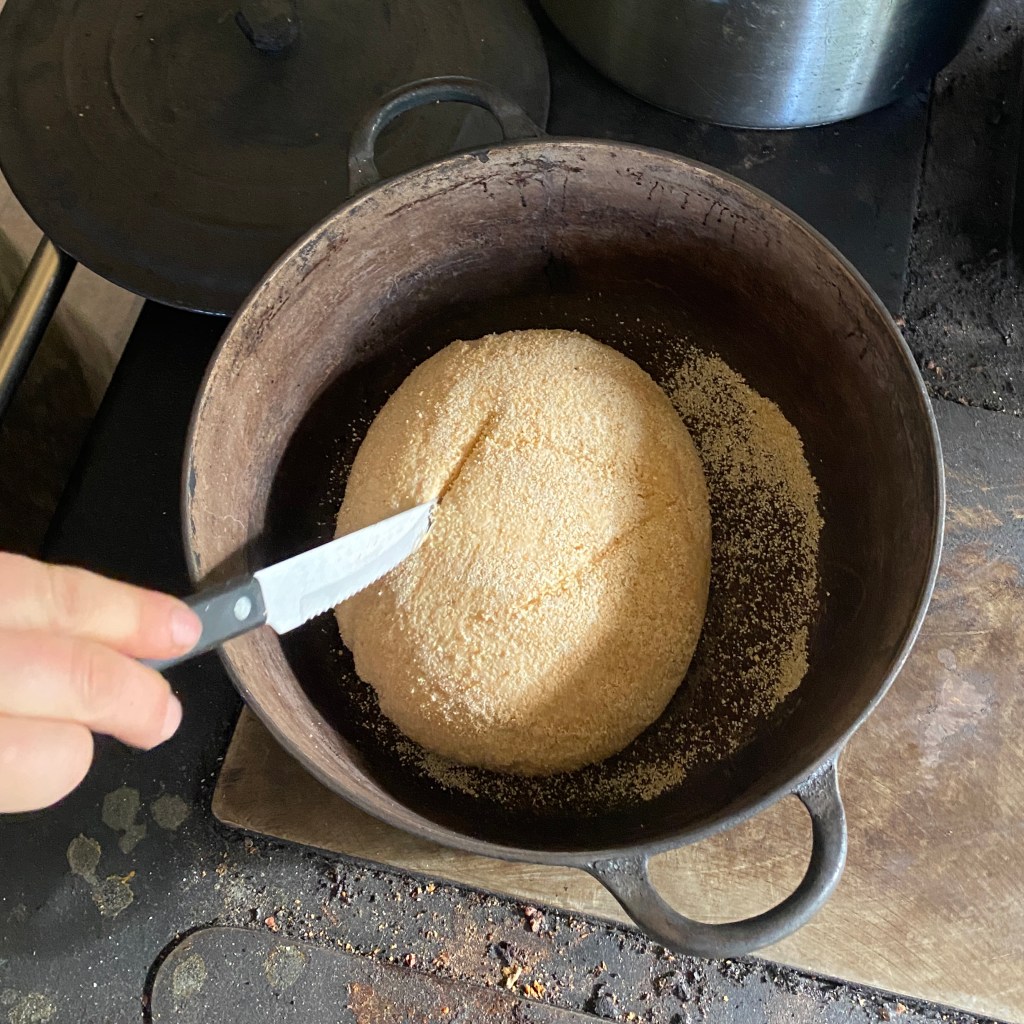
If you’re baking with a lot of white flour, or if your wholegrain loaf hasn’t risen much in proofing, you might want to quickly slash the top of it with a knife a couple of times before you bake it. I use a serrated steak knife to do this, but most of the time I usually skip this step.

Baking
Baking itself is simply a matter of putting the bread in a preheated oven and waiting.

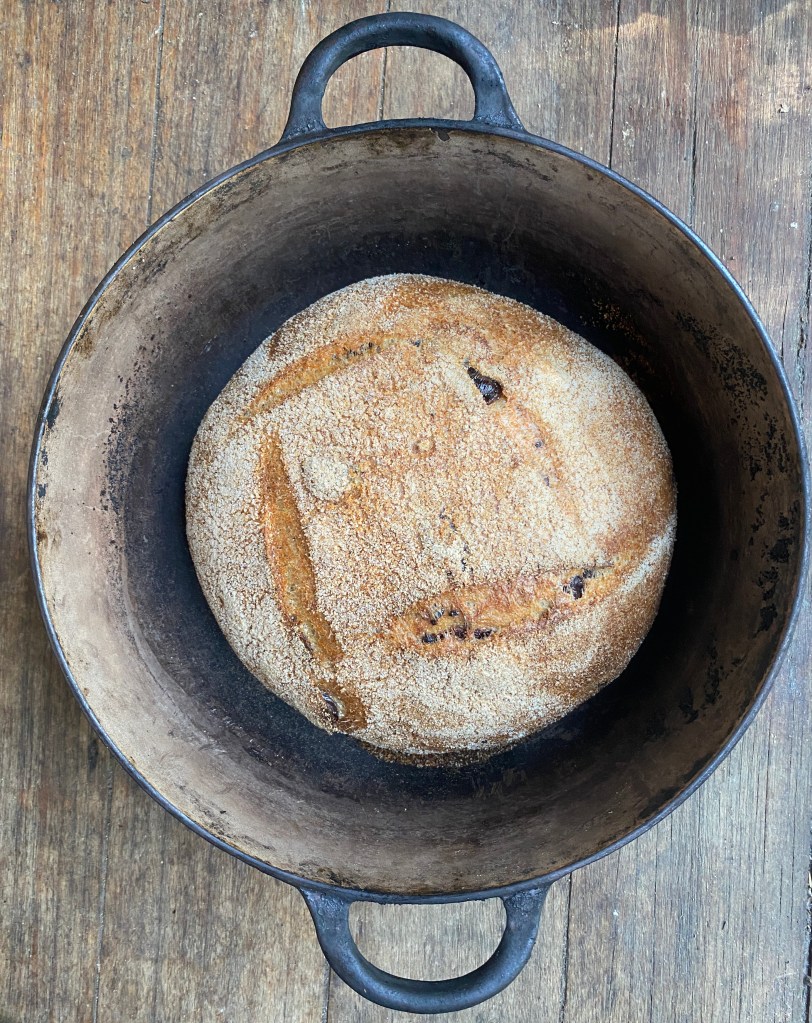
If you’re using the dutch oven method, you’ll want to remove the lid half an hour into baking, but other than that quick step, baking is another hands-off part of making bread.

In conclusion
You can make great bread with only a couple of minutes of hands-on time per loaf. There’s a bunch of steps along the way that you can do (or that you can skip), but for good baking with minimal time, it helps to take a step back and think “what do I actually want to do? And what kind of baking will work in my life?” There are a lot of finicky instructions around about creating special levains, autolyse, pretty score marks, and more, but all these instructions do no good if you are too busy to follow them. Think about your schedule, and when it would suit you to do each real stage of baking (mixing, strengthening, shaping, baking), and by tinkering with the amount of starter, water temperature, and room temperature, you will be able to create breads that work in your life.

These past couple of years I’ve been working on a book of sourdough recipes to help more busy people make all their own bread, pizza, and pastries. Along with the recipes, I’ll be showing how to adjust recipes to get them to work for different schedules and seasons, and strategies for baking bread even at the very busiest of times. The book will be launching on Kickstarter in a few days time. I will share a bit more about it in my next post.

The power of bread: how homemade bread can transform your life for the better

If you eat bread, the quality of bread you are putting on the table could be contributing to your health, or slowly making you sick. The best way to have healthy bread on the table is to make it yourself.

It can be overwhelming to get started, but it doesn’t have to be.

Many years ago when my husband and I were working on a farm on the other side of the world, I made a list of things I wanted to start doing when we got back home. Making bread was at the top of the list. When we got back, I borrowed a book from the library, followed the instructions, and made my own bread. It wasn’t as healthy or as tasty as the bread I make now, but it was homemade bread, and it changed my life.

Before that time, needing to get bread was what made us go shopping twice a week. We didn’t eat soy, and at that time there was only one kind of bread that didn’t have soy in it. If anything happened to that bakery’s deliveries, if other people bought it before we could, or if the bakery closed up for a week to go on holiday, we were out of bread. By taking charge of one small aspect of our food supply, it made us more resilient to emergencies and supply disruptions, and meant that I had more time at home.

In our home, bread has always been an important part of how we eat. It makes an easy breakfast or light meal, a quick snack, and something extra to fill in around the corners of lunch or dinner. By making our own bread, we have healthy and tasty bread, in abundance, made at home for less than it costs to buy bread.

There is a rhythm to making bread that can be nourishing and grounding in a busy life. Every night I feed the starter or begin a dough, every day I finish the dough, shape it, leave it to rise, and then bake it. For me it’s not one extra thing to have to remember in a busy day, it’s an essential part of life.

Even if I didn’t bake every day, I would still enjoy the process of mixing ingredients, developing the dough, watching it ferment, smelling and feeling it to see if it’s ready, and baking it. These processes don’t actually take up much time, and can fit in here and there among other kitchen tasks. It is an amazing feeling to pull a loaf out of the oven, smell the delicious smell of freshly baked bread, see how it’s sprung up in the oven and developed a golden-brown crust, and know that this is our bread, and that I’m making something this delicious from scratch.

5 reasons to make your own bread

Frugality
Making bread at home is far cheaper than buying it. The savings don’t stop at bread, there are many other recipes you can make at home with sourdough, from pizza, to flatbreads, burger buns, pancakes, pastries, chocolate cake, soda bread, pies, and more.

Health
When you make your own bread, you know exactly what goes into it.

Taste
You can create the best tasting bread at home. By making bread at home, you can enjoy the very freshest bread, the best ever pizzas, cinnamon buns, and other treats.

Lifestyle
The more food you can produce at home, the more you can stay at home doing the things that you like to do. The process of making sourdough bread can also be relaxing in a busy lifestyle.

Resilience
In the time of supply disruptions and panic buying in 2020, bread was one of the first things to be emptied from the shelves. By making our own bread, this wasn’t something we had to worry about. Making bread is something anyone can do towards self reliance.