Understanding Phytic Acid in Sourdough and Whole Grains

I’ve been getting some questions about the phytic acid in whole grains and sourdough, and thought it would be a good idea to go into detail about how this works, and why you don’t need to be alarmed about it.

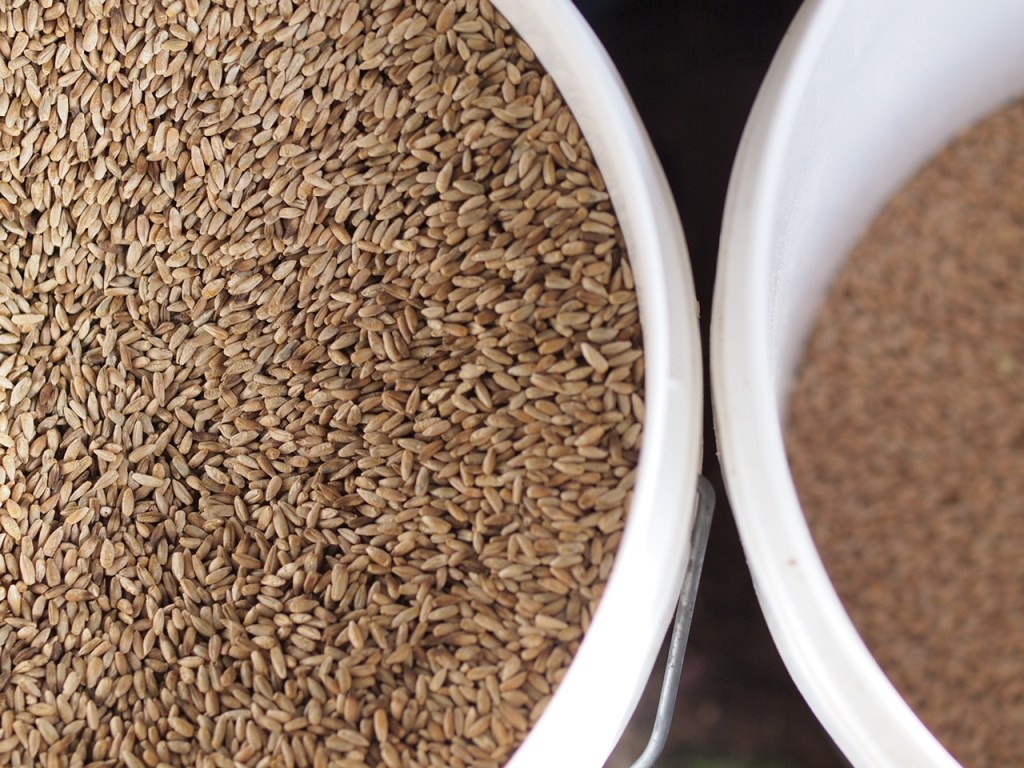
Along with a bunch of good stuff that is not in refined flours, phytic acid is present in whole grains. If phytic acid is not broken down by the phytase enzyme by soaking, sprouting, or fermenting, it can bind to the iron, zinc, magnesium, and calcium in the grain, making it so these nutrients in the grain are not absorbed by your body when you eat the grain.

During sourdough fermentation, the enzyme phytase is activated. Phytase breaks down phytic acid. As sourdough ferments and gets more acidic, phytase is more active. Phytase converts phytic acid into phosphorus, making it beneficial for bone health.

Phytic acid also has anti-inflammatory properties, and helps to stabilise blood sugar.

A longer sourdough fermentation will reduce the phytic acid by up to 90%, compared to less than 30% for yeast breads, and less than 50% for soaking whole grains. Sprouting will reduce phytic acid in similar amounts to sourdough fermentation.

In A Year in an Off-Grid Kitchen I wrote about my approach to this issue: if you are relying on a lot of grains and not eating much in the way of mineral-rich foods such as bone broth, red meat, and dairy, it’s probably best to always soak, sprout, or ferment your grains and legumes. If you are eating plenty of nutrient-dense animal foods, then you can get away with baking unsoaked whole grain cookies, muffins, and other treats every now and then.

I have not bought flour for over seven years. I also don’t have the setup to reliably dehydrate sprouted grains, so if we want to make a favourite recipe that isn’t soaked or fermented, we just make it from the home-milled flour, enjoy it, and that is that.

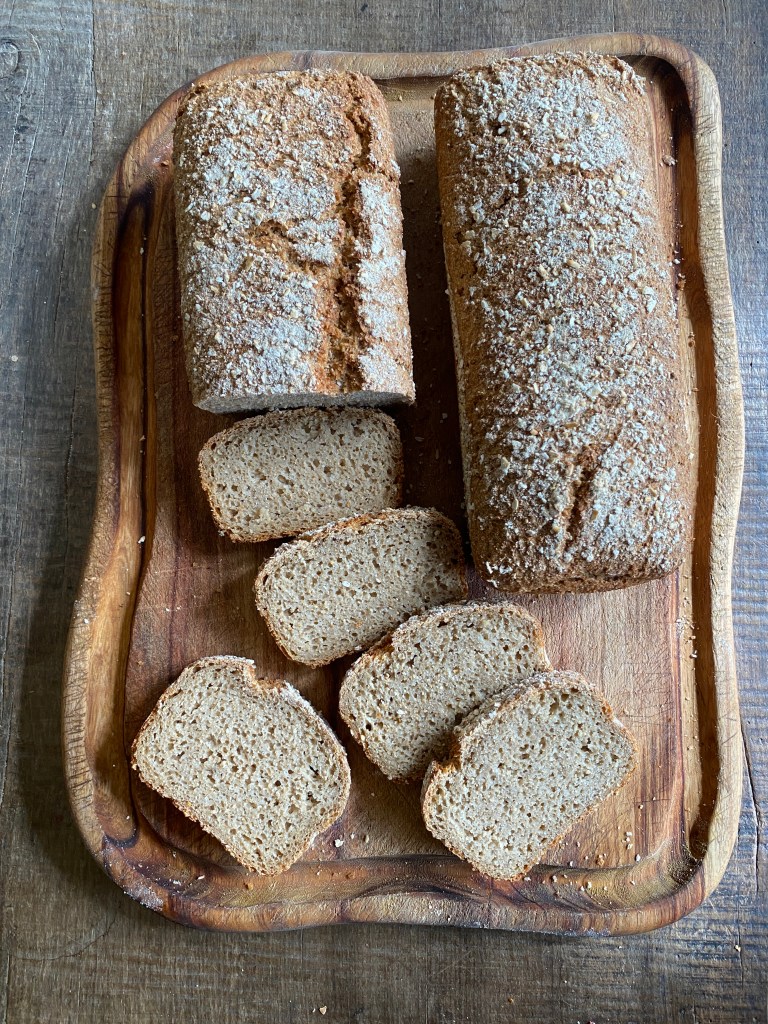
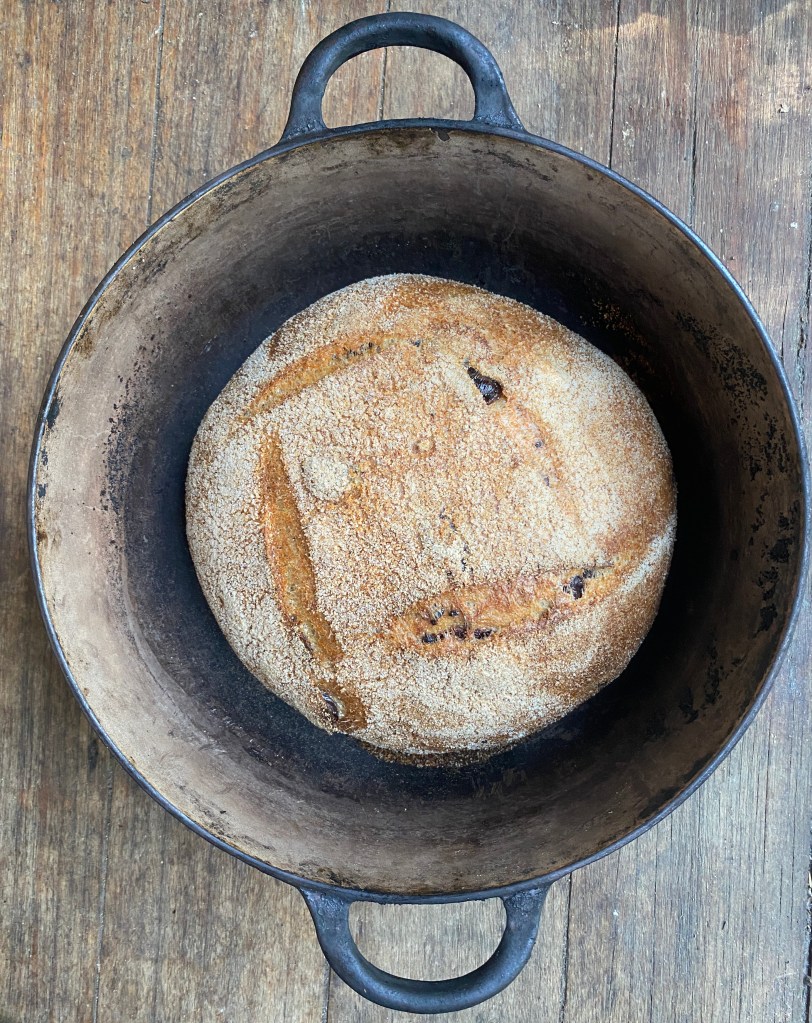
For our bread, which we eat every day, we make 100% whole grain sourdough.


How to reduce phytic acid as much as possible:

• Slow down your fermentation. Reduce the temperature or the amount of starter in a recipe, to make fermentation take longer.

• Cold proofing (also called retarding) is probably the most reliable way to reduce phytic acid, because the phytase enzyme is more active in the acidic environment of fermented dough. To cold proof, simply follow your recipe up until it’s time to proof the dough, then move it to a place below 8ºC (46ºF) for up to 24 hours. Make sure to cover it with something airtight if you’re proofing it in a fridge.

• You can also retard the dough during bulk fermentation. This may not be quite as effective as cold proofing, but it will still make a big difference, and can be a great way to make bread if you want to mix the dough at night and then have dough that’s ready to bake any time the next day.

• Using larger amounts of sourdough pre-ferment will start the dough off more acidic, so although the bulk fermentation time is faster than it is for a loaf with only a tiny amount of starter, the increased acidity at the start of fermentation means that phytase is more active from the very start.

• Add some rye flour. Rye is high in phytase.

• Just bake sourdough! I use pre-ferments, cold proofing, and cold fermentation at different times of the year, in order to make recipe timings that work with my schedule in seasonal conditions.


Why not just eat white flour instead?

The phytic acid in the whole grains is binding to the minerals in the whole grains. These minerals aren’t present in white flour, so you’re not getting any nutritional benefit by using white flour instead of whole grains.

Whole grains can be stored for many years, whereas flour of any sort will not keep long. If you want to grow your own grains in the future, the grains are not going to transform into white flour on their own, so it’s good to get used to baking with 100% whole grain flours now.

Want to learn more?


Click here to back Sourdough Without Fail on Kickstarter

The power of bread: how homemade bread can transform your life for the better

If you eat bread, the quality of bread you are putting on the table could be contributing to your health, or slowly making you sick. The best way to have healthy bread on the table is to make it yourself.

It can be overwhelming to get started, but it doesn’t have to be.

Many years ago when my husband and I were working on a farm on the other side of the world, I made a list of things I wanted to start doing when we got back home. Making bread was at the top of the list. When we got back, I borrowed a book from the library, followed the instructions, and made my own bread. It wasn’t as healthy or as tasty as the bread I make now, but it was homemade bread, and it changed my life.

Before that time, needing to get bread was what made us go shopping twice a week. We didn’t eat soy, and at that time there was only one kind of bread that didn’t have soy in it. If anything happened to that bakery’s deliveries, if other people bought it before we could, or if the bakery closed up for a week to go on holiday, we were out of bread. By taking charge of one small aspect of our food supply, it made us more resilient to emergencies and supply disruptions, and meant that I had more time at home.

In our home, bread has always been an important part of how we eat. It makes an easy breakfast or light meal, a quick snack, and something extra to fill in around the corners of lunch or dinner. By making our own bread, we have healthy and tasty bread, in abundance, made at home for less than it costs to buy bread.

There is a rhythm to making bread that can be nourishing and grounding in a busy life. Every night I feed the starter or begin a dough, every day I finish the dough, shape it, leave it to rise, and then bake it. For me it’s not one extra thing to have to remember in a busy day, it’s an essential part of life.

Even if I didn’t bake every day, I would still enjoy the process of mixing ingredients, developing the dough, watching it ferment, smelling and feeling it to see if it’s ready, and baking it. These processes don’t actually take up much time, and can fit in here and there among other kitchen tasks. It is an amazing feeling to pull a loaf out of the oven, smell the delicious smell of freshly baked bread, see how it’s sprung up in the oven and developed a golden-brown crust, and know that this is our bread, and that I’m making something this delicious from scratch.

5 reasons to make your own bread

Frugality
Making bread at home is far cheaper than buying it. The savings don’t stop at bread, there are many other recipes you can make at home with sourdough, from pizza, to flatbreads, burger buns, pancakes, pastries, chocolate cake, soda bread, pies, and more.

Health
When you make your own bread, you know exactly what goes into it.

Taste
You can create the best tasting bread at home. By making bread at home, you can enjoy the very freshest bread, the best ever pizzas, cinnamon buns, and other treats.

Lifestyle
The more food you can produce at home, the more you can stay at home doing the things that you like to do. The process of making sourdough bread can also be relaxing in a busy lifestyle.

Resilience
In the time of supply disruptions and panic buying in 2020, bread was one of the first things to be emptied from the shelves. By making our own bread, this wasn’t something we had to worry about. Making bread is something anyone can do towards self reliance.

How to make real pasta without a pasta machine

Making pasta at home is easier and cheaper than you may think. In this post I’ll share my method and thoughts on homemade pasta.

Why make pasta at home?

Dry pasta is pretty much empty calories, wrapped up in plastic. Homemade egg pasta is a really tasty way to eat eggs that even picky eaters enjoy, and because it’s so rich in nutrition from the eggs, sauces can be really simple to make a nourishing and filling meal.

Every week when we have enough eggs from our hens, we make pasta every Monday. This helps me with meal planning because it means there’s less days when I have to figure out completely what I’m making, but there’s still enough variety in pasta that we never get sick of it – sometimes it’s carbonara, other times pesto, sometimes a creamy cheesy sauce, sometimes garlic butter and greens, sometimes it’s oriental noodles with bacon and vegetables, sometimes just lots of butter and grated homemade cheese, if you think of any possible pasta or noodle dish, it can be made with homemade pasta, and that gives a huge amount of variety.

How to make pasta

1. Start with eggs.

Crack eggs into a small bowl, sniff each one to make sure it’s not off, fish out any bits of shell, and put them in a mixing bowl. Use around 2 eggs per hungry person.

2. Mix in flour and salt. 

Use around half a teaspoon of salt for every five eggs. For flour, the amount you’ll need will depend on the kind of flour you’re using. I don’t measure. I just beat the eggs with a wooden spoon, mix in as much flour as I can mix with the spoon, and then keep adding flour, mixing with my hands. If the dough still seems sticky, keep adding more flour, kneading it in with your knuckles. Break the dough apart, and if it’s still sticky inside, sprinkle the sticky sides with more flour and knead that in with your knuckles. The trick to adding flour is to just add a small amount at a time, and keep adding until the dough is very stiff. I use 100% wholemeal wheat flour from my grain mill, but other kinds of wheat and spelt flour will work too.

3. Rest

Allow the dough to rest for at least half an hour, covered with a tea towel or plate. A longer rest is fine too.

4. Roll out and cut

Divide the dough into manageable pieces. Use a rolling pin or a clean glass bottle to roll each piece as thin as it will go, or as thin as you have patience for, dusting the dough with flour to prevent it from sticking. Use a butter knife to cut into strips, or your choice of pasta shapes. When you’ve cut some pasta shapes, spread them out on a tea towel (dish towel) to dry out. Keep in a single layer if possible, as they can get stuck together if you stack them too high.

5. Cook

This next bit happens really quickly once the water is boiling, so make sure you have the sauce ready, along with all the bowls, cutlery, drinks, telling everyone it’s nearly ready, and so on. Bring a large pot of salted water to a rolling boil over high heat. Add the pasta, and bring it back to the boil. Once it’s boiling, cook for three minutes. Drain in a colander. You can either mix the pasta into the sauce, or put the pasta in bowls and top with the sauce, whichever you prefer.

Enter your email address here to get new recipes and blog posts from The Nourishing Hearthfire.

Simple baked cheesecake

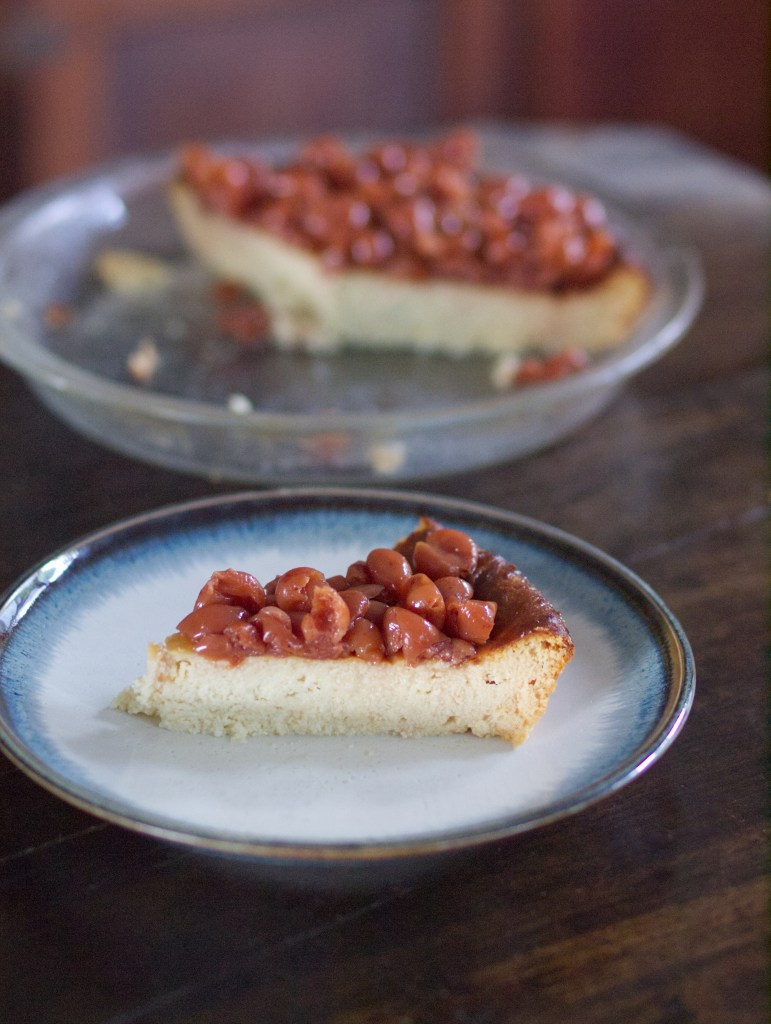
To celebrate the launch of my new book Natural Small Batch Cheesemaking, I’m sharing an easy recipe for cheesecake.

Cheesecake is one of my favourite foods, but not something I used to make very often until I created this recipe. The recipe I’m sharing today is from A Year in an Off-Grid Kitchen, and could not be simpler. It features the easiest cheese to make at home – a simple whole milk ricotta. Or you can use whatever soft cheese you have around the house, as long as it is drained well and is not too salty.

I usually make this without a crust so that it comes together in minimal time, but if you prefer, you can bake this in your favourite cheesecake crust.

This recipe scales up or down well – just weigh your ricotta and then adjust the amount of eggs and honey to suit – use 1 large egg and 60g (3 tablespoons) honey for every 200g (7oz) ricotta.

Ingredients 

170g (1/2 cup) honey 

650g (23oz) well-drained salted ricotta

3 large eggs, whisked

(Optional) zest of 1 medium lemon, or a dash of vanilla

Method 

Preheat the oven to around 180ºC (350ºF). 

If your honey has crystallised, gently melt it until it’s runny. 

Thoroughly mix the honey with all the remaining ingredients using a fork or whisk until evenly blended. Place in a greased 9” (23cm) pie pan or cake tin. 

Bake for around an hour, until golden and set. The middle will puff up while it bakes, and then sink down once it’s removed from the oven. 

Serve on its own, or topped with jam, bottled fruits, or fresh berries. 

My new book Natural Small Batch Cheesemaking is now available from several places online, and can also be ordered into any local shop.

Enter your email address here to get new recipes and blog posts from The Nourishing Hearthfire.

Roasted Butternut Squash and Spinach Salad with Cheese

OLYMPUS DIGITAL CAMERA

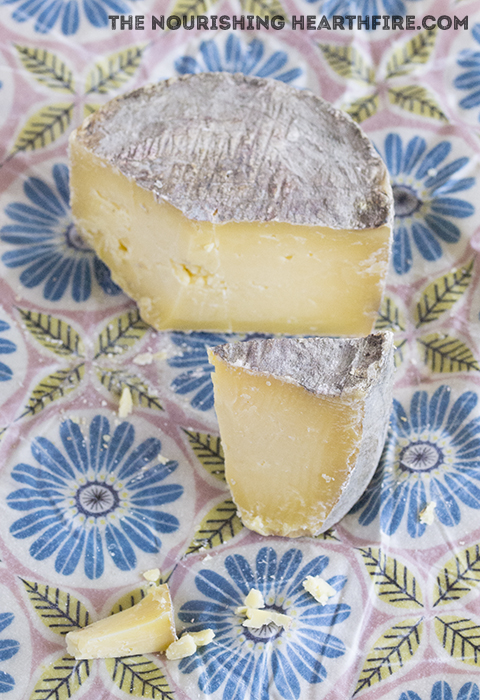
I’ve never successfully made a hard cheese with a natural rind before.

On a biodynamic fruit day, back when we still had Buttercup the cow, I mixed some of her milk with some of our goats milk, cultured it, sort-of followed an asiago recipe (I am not so good with all the continuous stirring), pressed it, salted it, and put it in the makeshift cheese cave to age. Roughly once a week, mostly on other biodynamic fruit days, I would tend to the cheese. I would rub more salt on it, brush it, to keep the growth of some things in check, and to help it form a rind. For months I looked at this cheese every week, wondering what it would taste like.

After around five months I cut into it. It’s probably the best cheese we’ve ever tasted!

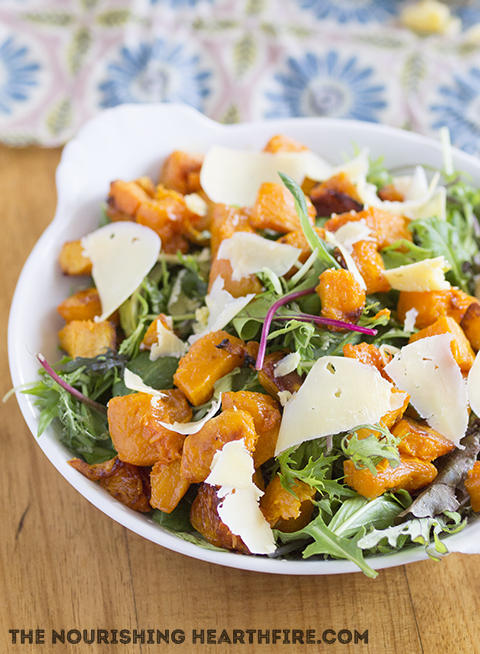
Today I made this salad with it. Feta is really good in this, as is any hard cheese, or you can use chopped walnuts instead. This is a good salad to make ahead of time, it will keep in the fridge for a couple of days, just make sure the squash has fully cooled down before you add it to the spinach.

_A242274-4801.jpg

Roasted Butternut Squash and Spinach Salad with Cheese
Continue reading