When I first started making cheese I thought I was failing at it. The recipes said to stir constantly for a full 45 minutes or so, and in my busy kitchen I just could not do that.
The more I perfected my own style of making cheese, the more I began to think back about how things were done in the past: was the busy peasant really stirring for that whole time? Or did she, like me, also have many responsibilities in the kitchen and on the homestead.
Early on I also began to question the use of all these tiny expensive packets of ingredients. Why did the mozzarella recipe tell me to dilute citric acid with water? Couldn’t vinegar be used in the same way? I experimented, and it worked, and paved the way to more experimentation, and learning how things used to be done.
I think a lot of books are written from a specialist perspective: someone that has focused on just one thing, written about it in isolation, without providing any guidance for those who do not have the same perfect conditions. I like to think of my book as being written by a generalist: Yes, I am making all my family’s cheese, it’s an important part of my homestead and I love it, but I am also fermenting, baking, canning, preserving, gardening, butchering, caring for animals, building infrastructure, and all the other tasks that make for a diverse homestead.
I don’t ask you to stand there stirring for 45 minutes, because I know that it’s not possible for many people. I don’t ask for weird little packets of stuff grown in labs, because I know it’s possible to create great cheese without these. I’ve read between the lines of many cheese traditions and figured out a way to do this that’s perfect for the busy homesteader, and also suitable for the complete beginner. I’ve created a book that anyone can pick up and learn from, and once you’ve learned the basics, you’ll still be referring to it again and again as I’ve provided a lot of depth, and presented it in a way that isn’t overwhelming.
You can learn to make cheese even if you don’t have your own dairy animals, and my small batch recipes are perfect for learning – there’s less time to wait before you get to taste them, and they’re naturally made from smaller amounts of milk. Most cheese books are using between eight and twenty litres (two to five gallons) of milk and this can be a very expensive experiment for anyone that is learning. Most of my recipes can be made from four litres of milk or less. These recipes are perfect for anyone, whether you have a small herd of goats or a single house cow, or if you’re buying your milk.
The Kickstarter launches on the 15th August at 5pm USA mountain time (16th, 9am Australian eastern time), I’ll send out another quick post once it is live.
I’ve priced the book really affordably and provided a lot of bonuses that are only available while the Kickstarter is live. Also, if you back it in the first couple of days you’ll also get access to this extra earlybird bundle of ebooks and magazines.
I sometimes get asked “how do you live without a fridge”, or “how do you get by without having to go grocery shopping all the time” and my answer every time is the same thing: We raise dairy animals and make the most of the milk they produce. When we have dairy, we have the key to self reliance.
When you have milk coming into the kitchen fresh every day, there is no need for refrigeration. Milk is often the most common item people will regularly rush out to the grocery store for, and home-produced dairy, especially when combined with cooking from scratch, gardening, chickens, and bulk good storage gives us much more resilience in the face of any crazy stuff that might happen.
Frugality
Keeping to a budget and noting down everything we spend, I can clearly see that the months with fewer shopping trips are the months when it’s been easiest to stay within budget. Going out frequently for milk, yoghurt, cheese, and other dairy products not only means we’re exposed to a bunch of tempting foods on the shelves at the same time, but also means more fuel costs for the car, more of a sense of our food coming from the grocery store rather than our own land, and more time away from our home, when we could have been working in the garden or doing something else productive.
If you have a taste for high quality cheeses, these can drain the food budget very quickly. When you make your own cheese, even if its not from your own dairy animals, you can create fantastic cheeses that will make you ignore the expensive gourmet cheeses on store shelves.
Homemade yoghurt and other cultured milks are even more affordable to make at home – yoghurt is often around four times more expensive than milk, but can be made very easily at home with nothing more than milk and some leftover yoghurt to use as culture.
Focus
Dairy animals need care every day, and once you’re outside caring for them, it’s easy to fit in other homestead chores, feel more like “real” homesteading, and have a more productive homestead overall. There is nothing like the feeling of bringing in fresh milk every day, and I like the rhythm and stability that dairy animals give to our lives: No matter what is happening around us, I know that every morning begins with milking.
Food and health
Dairy foods are simply delicious. The cheeses I make are tastier and healthier than any cheeses that I can buy, and we can eat as much of them as we like. There is not much that gives a feeling of abundance than having shelves full of many varieties of delicious homemade cheeses at varying stages of aging – some are food for now, others are food for later, all are absolutely delicious and truly make a meal. Cheese is a staple food in my house and can easily become a staple food in your home too.
Next on the blog I’ll be sharing some helpful information about making great yoghurt every time: this is something that I had trouble with for many years and I’m excited to be sharing my tips with you all soon.
This has ended up being quite a long post, as there has been a lot happening on our homestead in the past year. I’d like to try and share updates more frequently for this coming year if I am not too busy. We are in really exciting times on our homestead and I’d like to share a little about what we’ve learned and achieved.
Growing our homestead
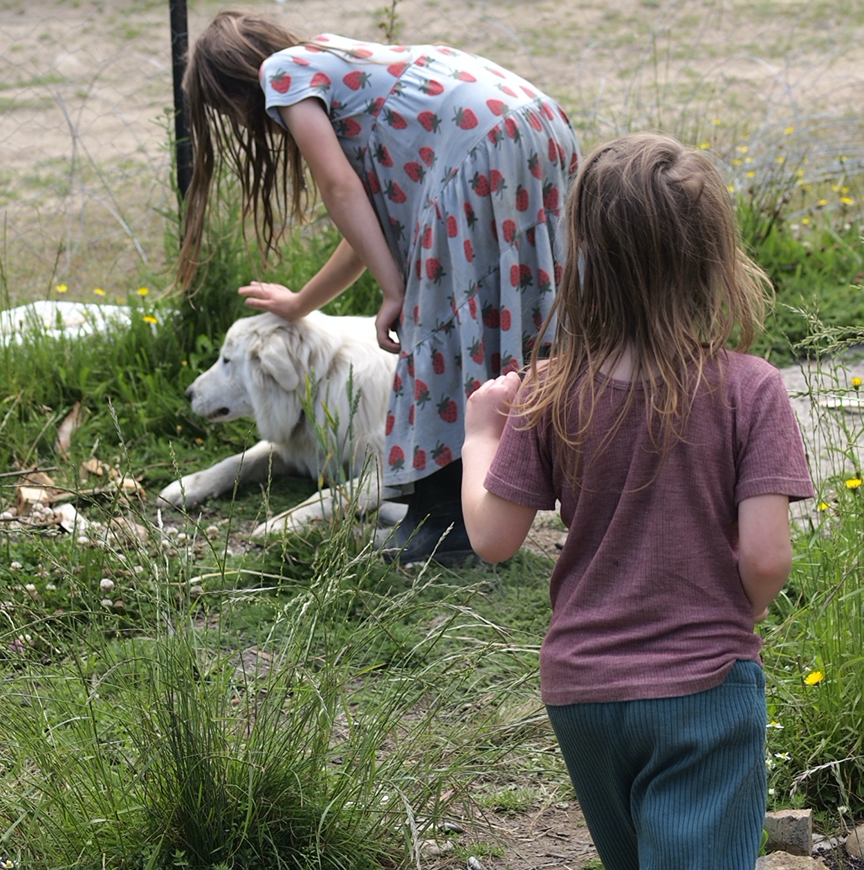
Maremma livestock guardian dogs
This has been a long story with some sad moments, too long to share in this post (but maybe in a future post).
Some of the things we’ve struggled with on our homestead have been wildlife getting into our gardens and eating everything, and predators eating our poultry. These dogs want to protect us, our animals, and our garden from the wildlife, and we have been so happy to have them here.
Ducks
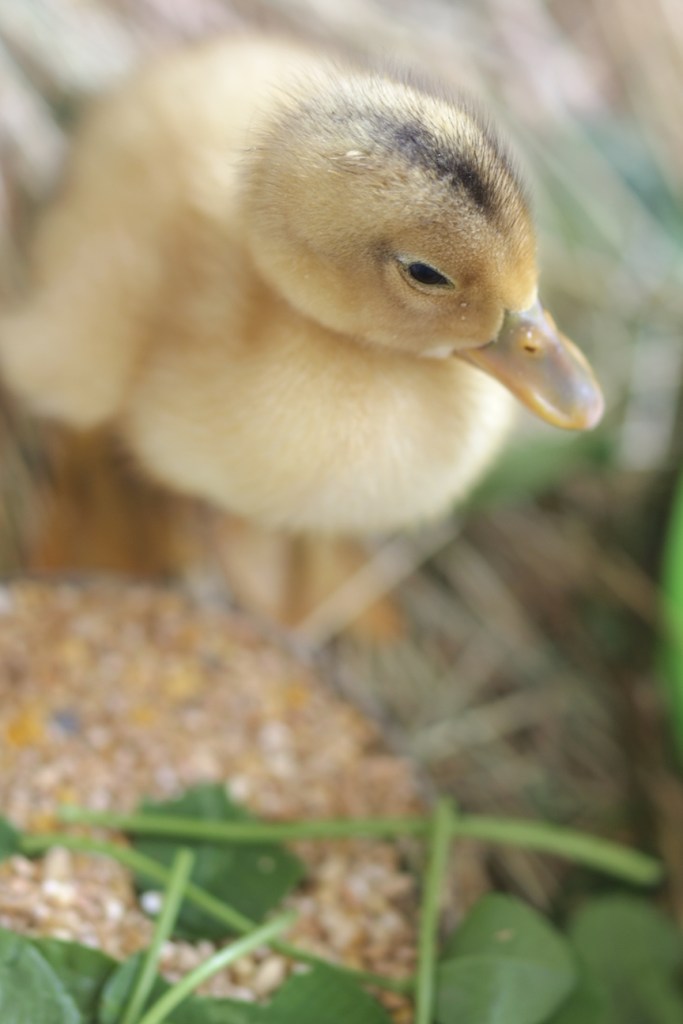
Ducks have always been one of my favourite two animals (along with goats). As I mentioned above, we have tried to keep them a couple of times, but the wildlife has always eaten them. Once we had our first Maremma dog, I asked my friends nearby who have an incubator if they would be willing to hatch some eggs for me, I found some fertile silver appleyard duck eggs and pilgrim geese eggs online – the goose eggs were damaged in the post and would not hatch sadly, but most of the duck eggs hatched and we were greeted by beautiful little peeping ducklings.
We raised these ducklings in a makeshift electric-free brooder next to the woodstove, putting them outside when they were old enough, and they are just lovely. It’s so nice to hear their duck noises, look forward to hopefully some naturally-hatched ducklings, duck eggs, and duck meat in future. The excess drakes that we ate were really tasty.
I read a lot about duck breeds, and narrowed down my choice for backyard ducks to Saxony, Ancona, or Silver Appleyard – all three are fairly large breeds that lay plenty of eggs, forage well, and are good mothers. The Silver Appleyards are easier to find here, so that is what I went with. For ducks further afield (perhaps on an island in a future pond, to protect them from quolls), I might try Muscovy ducks again.
Garlic
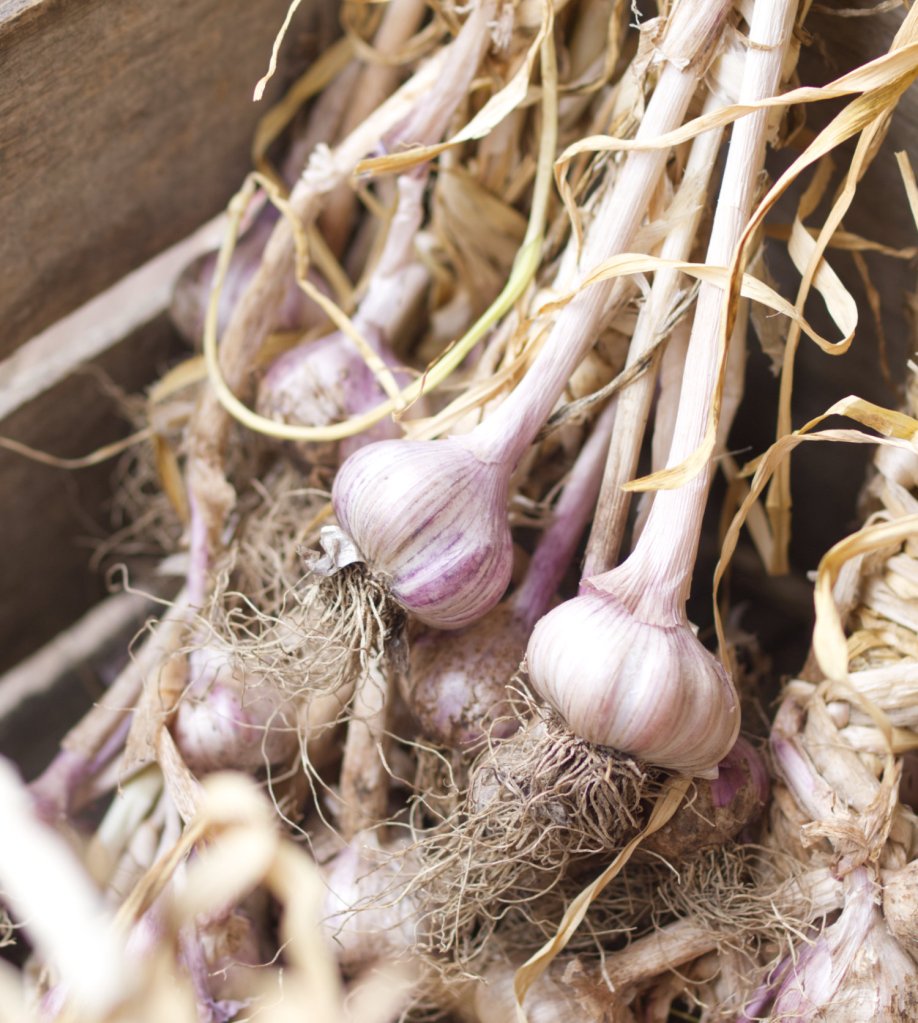
Winter is the most desperate time for the wildlife, and in past years the fence has had holes or other problems with it, and wallabies have gotten in and eaten anything we’ve had growing through the winter, including the garlic. This past year, even before we got the dogs, my husband had repaired the fence around our house garden, and wallabies could not get in. We grew enough garlic for ourselves, some to sell, and plenty to replant, so it has been a huge success that I am so happy about after all these difficult years.
More garden space
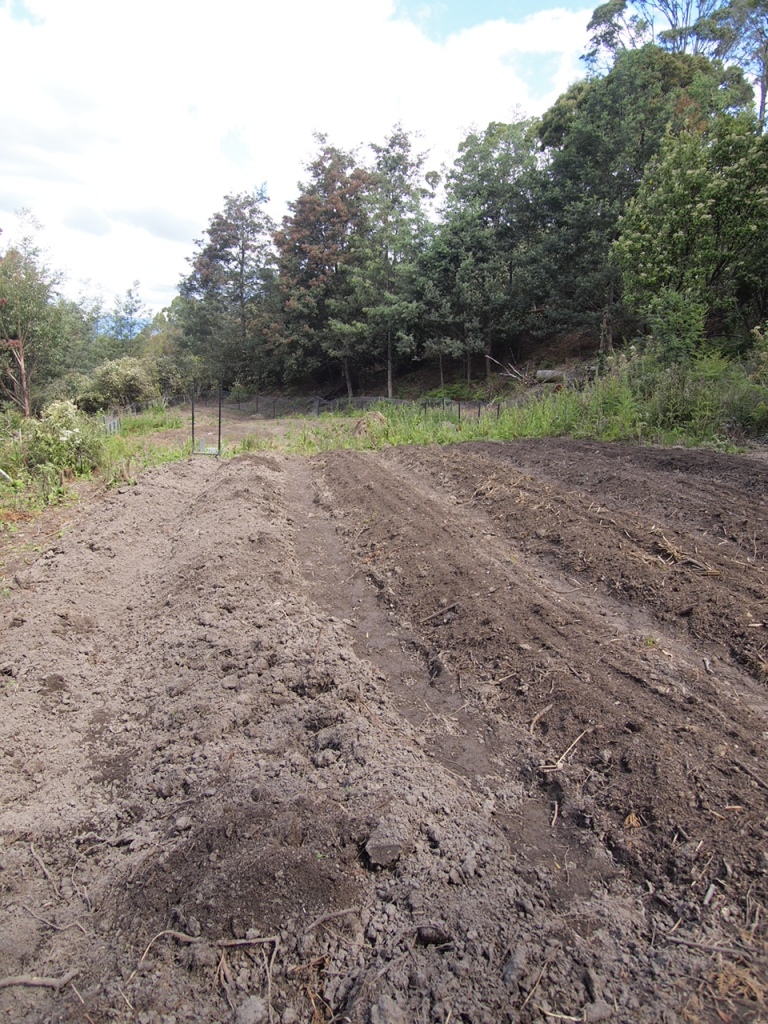
A couple of years ago we started clearing and fencing around 600m2 (1/8 acre) more garden space. This new space is sunnier than the garden around our house, and reasonably flat. The fencing was not ideal at first, as we did not cover the ‘foot’ of it properly, and there was a hole in one place that we took a while to discover, so wallabies were getting in. Possums were also a problem until we solved this with dogs. For most of the growing season this past year, most of the things I planted all got eaten, but once we solved these problems I managed to grow some food late in the season, as well as plenty of potatoes from earlier, which were mostly left alone, giving me confidence that we can grow a lot of food in this new area during the next year.
Lots of cheese
I’ve been more organised about cheesemaking this year. Rather than harvesting the milk, leaving it until late in the day, and finding I don’t quite have enough for cheese, I’ve been setting aside milk early in the day for cheese, using it very fresh, and making cheese in small batches. I’ve been making really lovely cheese, and plenty of it, as the cheese yields are higher if the milk is very fresh and by making cheese a priority and being organised to make it on time, I am just making more of it in general.
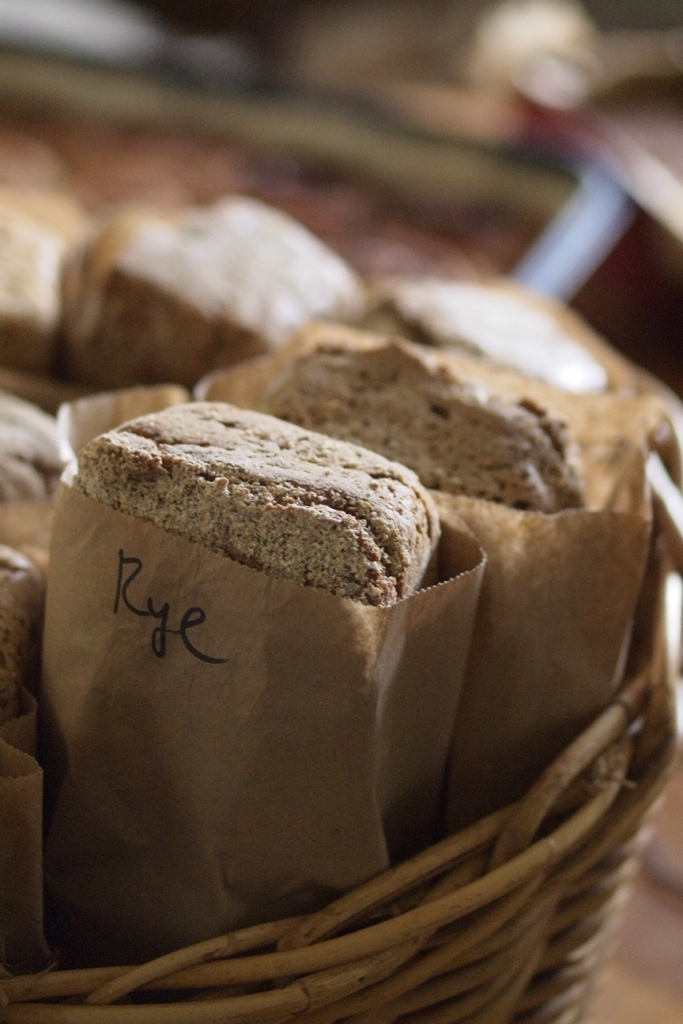
I wanted to diversify our homestead income by trying out selling homemade food at local farmers markets. I sell organic sourdough bread, ferments, sauces, and jams. Having a regular stall also means that if we end up growing extra vegetables or fruit later on, I can sell them at the stall.
Home brewing
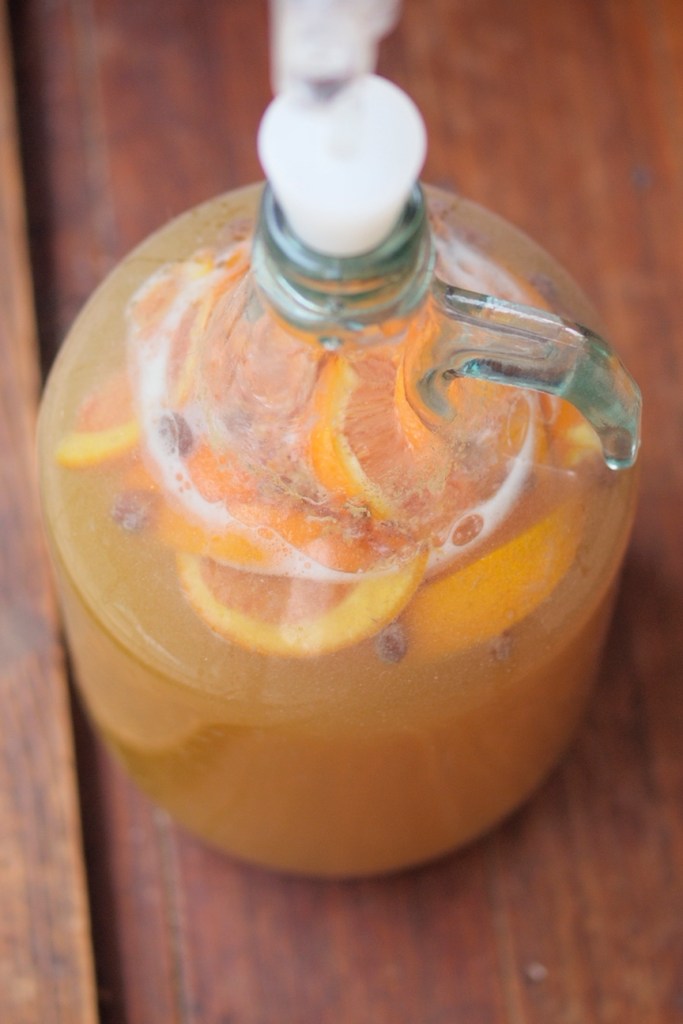
We had a celebration coming up, and my husband asked if I wanted any alcohol from the bottle shop. It was really lovely to say “no, I’ve brewed enough”. Home brewing is an aspect of self reliance that can be done anywhere, whether you have a homestead or not. I’ve really been enjoying making mead, and recently have tried my hand at making an ale without hops, starting from raw organic barley, malting it myself, and then going through a standard all-grain brewing process. I’ll share details of this process on the blog later on.
Goals for the year ahead
House cow
We don’t have enough pasture to keep a cow at the moment, but with all the strange stuff going on in the world these days, and butter being an important part of our diet, it would make sense to keep a cow. I am finding that even buying in hay it would be worthwhile, as we get the benefit of the cow manure for the garden as well as all the lovely dairy.
Maybe some pigs
Making lots of butter, we will have skim milk, which can combine this with root vegetables and/or grain for a simple and healthy way to feed pigs.
More perennials and homegrown animal food
We got some terraces dug last year on around 1/4 of an acre, but did not fence them off in time to plant them properly. Looking at Sepp Holzer’s permaculture book for inspiration, these can become productive polycultures of fruit trees, animal feed, and perpetual fertility. My husband is currently working on the fence so I will be planting fruit trees, grain, and perennials such as sunroot and comfrey there.
Meat rabbits
We need to build something for them to live in first, but hopefully this is not too far off.
Better crop rotation and being more organised in the garden
The chook dome garden has been going here for many years now, and some of the beds I had potatoes on early on have now rested long enough for more potatoes. I’m coming up with a rotation system for these beds that works for this climate, producing food, fertility, and chook fodder.
For the top garden, we have 7 or 8 sections (the 7th and 8th not being cleared yet) of beds roughly 75cm (2.5’) by 4m (13’), with 8 or so beds in each section. We chose the width because I can reach the whole bed from one side and easily step over it, so jobs like planting and weeding a whole bed are more manageable, this is the standard width for many market garden tools, if we want to use these later on, and less cross-paths are needed. The length of the beds was decided based on the terrain – we have them roughly on contour, slightly raised above the paths
Our crop rotation is based on these beds being used in pairs, so we have 4 different crops or guilds growing in each section. There are two different rotations, so that we get a bit of everything, but in both sections are potatoes and the brassica family, which are on different beds each year, giving a four year rest. In both rotations there are plenty of grains and green manures to grow our own fertility.
Something I’ve learned over this past year is to be more organised and seize the moment – sometimes there are very short windows for getting certain crops planted, and other times, if I harvest some crops early enough, there can be a window to plant a second quick-growing crop or a green manure.
More blueberries
The blueberries we have here are thriving and the local possums aren’t interested in them. They are so tasty and healthy and can’t eat enough of them, and they also would make a good crop to take to the market, so I am considering making a larger planting of them this spring.
Lots more food in general
This past year we had hopes of vegetable self sufficiency and didn’t make it, mainly because of the wildlife issues. This year, we’ve solved those problems and are coming up with crop rotations and planting calendars to make sure we get things planted on time. The more I live this life, the more I see self sufficiency as a journey in itself rather than a destination, it is a beautiful life and I try to take the time to appreciate things and be filled with a sense of gratitude. I don’t want to end up like Andersen’s fir tree, thinking that the best in life is just around the corner and not appreciating the present – I want to appreciate what we do have now.
What I would like to do is to focus on things that grow very well here, and grow enough of these to feed ourselves even if the more experimental crops don’t go well: turnips and daikon to meet our fermented vegetable needs, leeks, multiplier onions, and garlic to meet our onion needs, and lots of potatoes and leafy greens for calories and nutrition. I am getting better at growing carrots each these so these are becoming more of a staple food now, and each year as we increase the fertility of our soil and experiment with different seeds and growing techniques, perhaps we’ll find that more and more foods can be reliable staple crops for us.
I’ve been quiet on this blog for the past few months, because I’ve been working on something very big…
I’ve been busy creating a cookbook that teaches the kitchen skills that are most important on a homestead, as well as a huge amount of adaptable everyday homestead recipes.
When the the panic buying, empty shelves, and restrictive rations hit earlier this year, it was not a problem for my family, because we knew these skills, and knew how to feed ourselves without the supermarket system. With the help of this book, you can learn these skills too.
I’ve created a Kickstarter in order to pre-sell enough copies to cover the printing costs. Running a Kickstarter means we can cut out the middleman, so I’m able to offer you a better price than the future retail one, while also being able to offer extra ebooks and other goodies.
There’s also an earlybird offer of extra stuff for people who back the Kickstarter in the first 48 hours, including the best natural home cleaning book I’ve read, plus documentaries on rocket ovens, hugelkultur, and more. You can find out more about the earlybird offer here: https://permies.com/t/151135/Earlybird-bundle-Grid-Kitchen-Kickstarter
For over two years I was deeply immersed in writing about goats. I dreamed of the goat book I wish I’d had when I first started, and began to create it. I wrote all about keeping dairy goats on a small scale, and making natural cheeses from their milk. Over 50,000 words later, with all kinds of unexpected surprises and struggles, I now hold the hardcover edition in my hand and know that it’s completed!
I didn’t do this alone, but with the help of many wonderful people that supported the book on Kickstarter. Thank you!
You can now find my book ’Backyard Dairy Goats’ on Amazon, Book Depository, Permies, and anywhere else you would normally buy books.
Since the book launch I have been putting a lot of creativity into writing the cookbook that’s been brewing in my mind for the past few years, and will still be a bit quiet on this blog, hopefully I will find some recipes to share with you all soon, and some baby goat photos in October.
I have also recently been a guest poster at Permablitz, writing about keeping dairy goats in suburbia, and I will be doing some more goat-related posts in the next few months.
To help cut out the middlemen involved in publishing I’ve started a Kickstarter campaign for the book. This means that if you’d like to pre-order a copy for less than the future price, you can easily do this on Kickstarter. You’ll get bonus mini-ebooks too, and the option of other exciting rewards like cheesemaking kits, tree planting, and getting your name on the acknowledgements page of my book.
Backyard Dairy Goats is a book focusing on raising dairy goats in a way that respects their nature, on any amount of land. My aim with this book is to make backyard dairying achievable for anyone.
Most books about goats focus on keeping them on a larger scale, and don’t address many issues for those who just want some milk from a couple of goats in the backyard. Topics covered include:
•Natural goat health, how to prevent and fix most issues without a vet.
•Small batch cheesemaking.
•Everything you need to know about goats – their behaviour, how to feed them, handle them, what they need to thrive, and so on.
What this book is about:
•Caring for goats in a way that respects their goatness.
•Getting dairy goats now, wherever you are. It doesn’t have to be a dream that may happen one day in the distant future, it could happen now, and this book will show you how.
•Learning from observation, and goat behaviour in the wild to provide the right foods for goats to thrive.
•A permaculture approach, looking at the whole backyard ecosystem and the many interactions between goats, animals, garden, people, and trees.
•Cheesemaking and home dairying without artificial weird stuff.
•Goat dairy as a homemade staple food, for health, survival and self reliance. Recipes included.
Not just for backyards
This book is relevant for larger bits of land as well, especially in the early years while you’re waiting for perennials to grow or waiting to build more fences. Goat milk provides an instant harvest, with a minimal amount of brought-in feed, using smaller amounts of land and food than cows, while providing manure for the garden.
I am not that great at describing foods. I sometimes laugh at the descriptions on the back of wine bottles, and at the obsessions that plague the cosmopolitan boomer-inspired worlds of recipes and restaurants, when to me there is just nothing like simple foods created traditionally, and there’s not much to say except ‘perfect’.
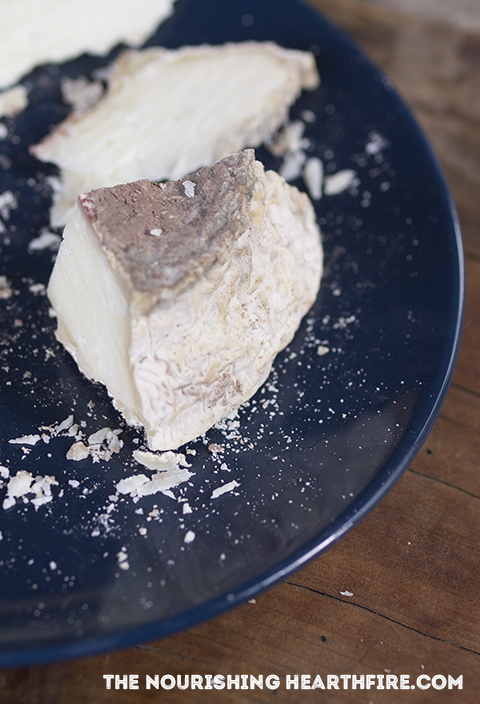
This cheese deserves praise though. I will post pictures of it and tell its story.
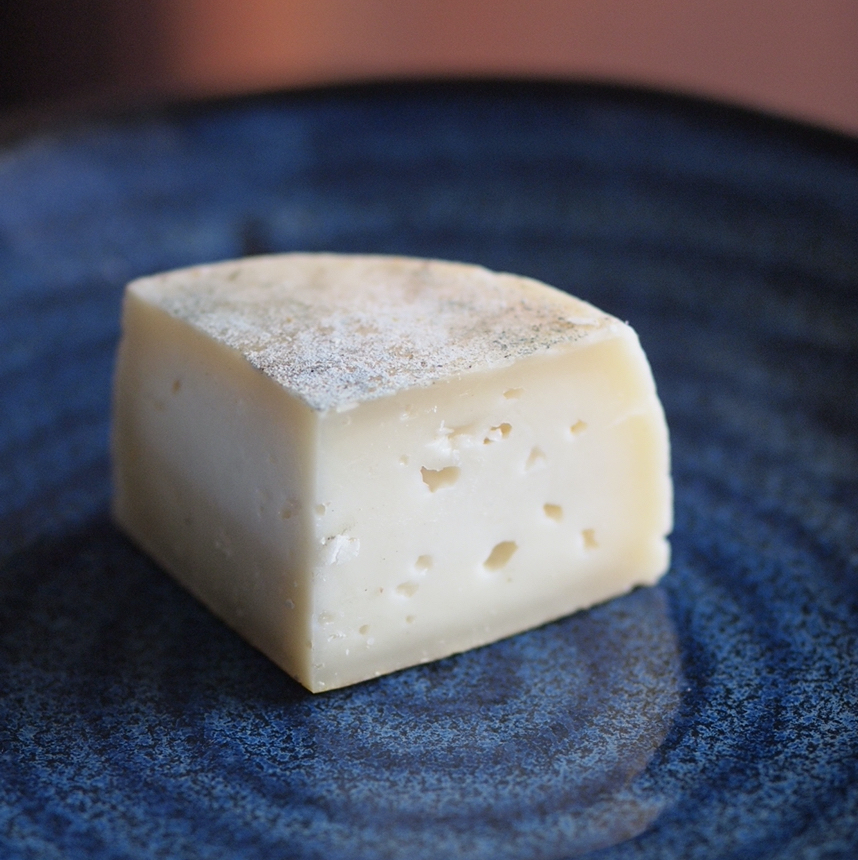
This cheese was the last cheese I made this year, towards the end of March when I switched back to once a day milking. I’ve had a few hard cheesemaking fails this season due to my rennet being old and stored badly, but there is just nothing like homemade hard cheese, raw and full of flavour from wild cultures, so I persist in trying them every so often. This one used a ‘washed curd’ technique that gouda and havarti use, I used some of my homemade viili yoghurt as starter, and I probably made it on a fruit day in the biodynamic calendar. I used an 800g cheese mould, using 5-6 litres of goats milk.
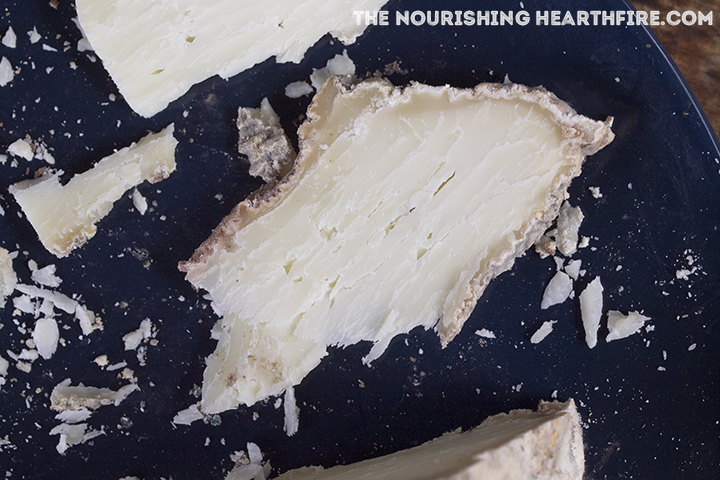
Lately my land and house have been wanting to grow camembert-style rinds. As this cheese became soft-looking as it aged, and the sides of the rind ‘splooged’ (for lack of a technical word) I noticed a beautiful white rind forming on the splooged bits. At some point it stabilised, but I eyed this off every time I tended to the cheeses, wondering if it would be similar to camembert when I cut it open.
We cut it open the other night, it was like no other cheese I’ve had. Cheese perfection that doesn’t fit into any little cheese category in a book. This cheese can’t be replicated with packets of cultures and milk from the shop, it is just like all good foods should be, an expression of the land that makes it.
I sat it next to the ripening chorizos and saucisson secs in the larder, to spread the white bloom.






 thenourishinghearthfire.com